Card grading can add value, protection and credibility to the right card. It can also quietly burn money when used on the wrong one.
One of the biggest mistakes collectors make is assuming every card deserves to be slabbed.
This guide walks through ten types of cards that almost never make sense to grade and explains why skipping grading is often the smarter move.
1. Modern Base Cards With No Demand
Most modern base cards have enormous print runs and very little long term demand. Even if these cards grade well, their value usually does not increase enough to cover grading fees.
A perfect grade does not create demand where none exists. If collectors are not already chasing the card raw, grading will not magically change that.
2. Cards With Obvious Centering Issues
Centering is one of the fastest ways to kill a grade. Many cards come out of packs noticeably off center, especially modern releases.
If the borders are clearly uneven to the naked eye, the card has almost no chance at a top grade. Lower grades rarely justify grading costs unless the card is already highly valuable.
3. Low Value Cards in Average Condition
A common rule of thumb is simple. If the card is not worth significantly more graded than raw, do not grade it.
Cards with edge wear, corner softening or surface scratches often land in the middle of the grading scale. Those grades typically add little to no value and sometimes make resale harder.
4. Overprinted Junk Era Sports Cards
Late 1980s and early 1990s sports cards were printed in massive quantities. Even Hall of Fame players from this era often sell cheaply unless they achieve a near perfect grade.
Because the supply is endless, even high grades struggle to command premiums. Grading these cards is usually a losing proposition.
5. Cards With Surface Damage You Cannot See at First
Print lines, dents and pressure marks often do not show up until the card is tilted under light. These flaws are common in modern cards and are heavily penalized by graders.
If you notice surface issues during inspection, grading becomes a gamble with poor odds.
6. Cards With Factory Damage
Poor cuts, chipped edges and rough corners straight from the pack are still damage in the eyes of grading companies.
Factory damage does not receive special treatment. A card can be pack fresh and still grade poorly, which is why condition matters more than age.
7. Inserts and Parallels With No Collector Base
Not all inserts are desirable and not all parallels hold value. Some look flashy but have little actual demand.
Before grading, always check completed sales. If graded versions of the card barely sell or sell close to raw prices, grading makes no sense.
8. Cards You Plan to Keep Raw for Personal Enjoyment
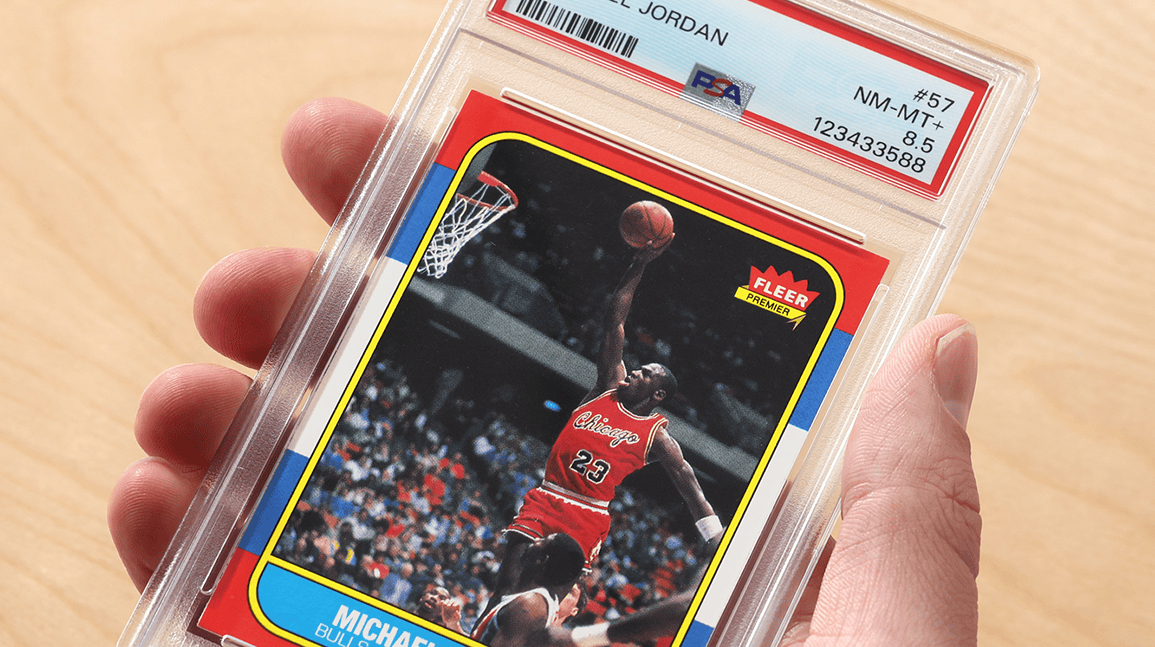
Grading is not mandatory for collecting. If you enjoy handling your cards, storing them in binders or displaying them raw, grading may reduce that enjoyment.
Slabs are permanent. Once graded, the card becomes an object to look at rather than interact with.
9. Cards With Questionable Authenticity or Alterations
Trimming, recoloring and surface cleaning are heavily penalized. Even unintentional alterations can result in rejection or an altered label.
If you are not confident in the card’s originality, grading is risky and often expensive.
10. Cards Where Fees Exceed Realistic Upside
This is the most important rule of all. Always compare grading fees, shipping and insurance against realistic resale value.
Hope is not a grading strategy. If the numbers do not work on paper, they rarely work in reality.
The smartest collectors grade selectively. They understand condition, demand and market realities before submitting anything.
Knowing which cards not to grade is just as important as knowing which ones deserve a slab.
If you want to win long term in the hobby, discipline beats hype every time.