
Palembang is one of the oldest cities in Indonesia. It is located on the island of Sumatra, along the Musi River, and for centuries functioned as an independent sultanate. Over time, it came under increasing pressure from the Dutch East India Company as the Dutch sought to dominate the profitable spice trade.
In 1821, Dutch control was finalized, bringing an end to the Palembang sultanate and its local coinage.
The coinage of Palembang began in the fifteenth century. These coins were known as pitis and were typically cast in tin alloyed with lead, with one known bronze issue.
They are uniface and usually bear inscriptions in Arabic script, reflecting Palembang’s Malay-based language. Notably, none of the coins name a ruler.
Dates on Palembang coins are given according to the Islamic calendar, which begins in 622 AD with the Hijra of Muhammad. These dates are marked as AH, meaning “After Hijra.”
Because the Islamic year is shorter than the Western calendar year, conversion requires subtracting roughly three percent from the AH date and then adding 622.
Early scholarly references to Palembang coinage appear in nineteenth-century works. H.C. Millies discussed them in his 1871 French publication Recherches sur les Monnaies des Indigènes de l’Archipel Indien et de la Péninsule Malaie, pages 110 to 117, with 28 varieties illustrated on Plate XIX. A similar group of 29 coins appears on Plate XXIII of Munten van Nederlandsch-Indië by Netscher and van der Chijs, published in Dutch in 1863.
Krause’s Standard Catalog of World Coins lists only a single type, KM1 dated AH 1219, along with a confusing duplicate listing, KM2, which earlier editions show to be the same coin in a smaller size. Mitchiner and Craig each listed a small number of types, none illustrated.
Palembang coins were cast in “trees,” with individual pieces later broken off from a central trunk. It is common to find remnants of the stem where the coin was attached. Quality varies considerably.
Some examples are well made and even elegant, while others are crude. Many show wood grain–like striations, likely caused by worn molds, and incomplete flans are common. In addition to official issues, many unofficial pieces circulated as well.
Millies records that some private coin production was permitted by the sultan, while unauthorized production could result in severe punishment, including amputation. He also notes that coins with central holes were known as pitis teboh, while solid pieces were called pitis bountou.
The value of these coins was extremely small. Holed coins likely circulated strung together, much like Chinese cash, while unholed coins were packed in standardized boxes of 250 or 500 pieces. According to Millies, sixteen such boxes equaled the value of one Spanish eight-real coin.
This helps explain the crude appearance of many examples, as coins circulating in bulk would not have been closely examined. A useful parallel can be found in the heavy counterfeiting of the American silver three-cent piece, whose small size and low value allowed stylistic discrepancies to go unnoticed.
Until recently, Palembang coins could not be considered common. Based on decades of experience collecting and dealing in world coins, they appeared only rarely in normal numismatic trade, especially outside Southeast Asia.
Although they were likely produced in large quantities, their tin composition gave them little scrap value, and many were probably discarded once they fell out of circulation.
The hoards underlying this catalog, totaling approximately 35,000 coins, were reportedly recovered from the Musi River by local divers. As these finds enter the market through dealers, overall scarcity should decline.
Study of these hoards revealed many more varieties than those recorded in nineteenth-century references, prompting the present work. A strict distinction between official and unofficial issues is not always attempted. While some pieces are clearly barbarous, many occupy a gray area where the concept of “counterfeit” becomes largely irrelevant.
All varieties are catalogued here except for highly idiosyncratic barbarous pieces with extremely small individual populations, though such coins are common when considered collectively.
Determining what constitutes a meaningful variety requires judgment. Minor die differences and trivial stylistic variations are excluded. Only distinctions of material interest to numismatists are recorded.
Primary types are assigned whole numbers, while variants are designated with decimal extensions. These references are intended to be cited as Robinson numbers.
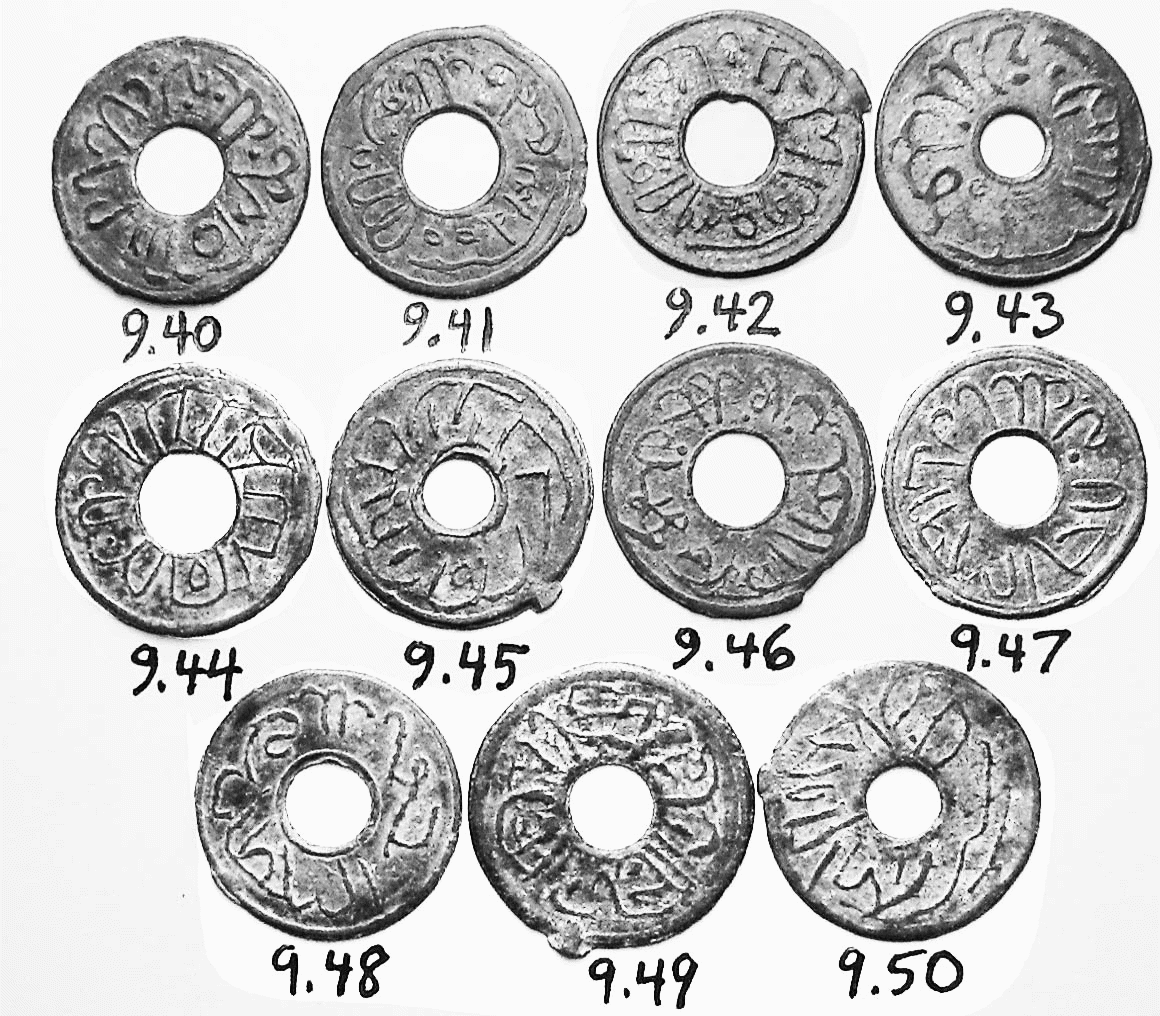
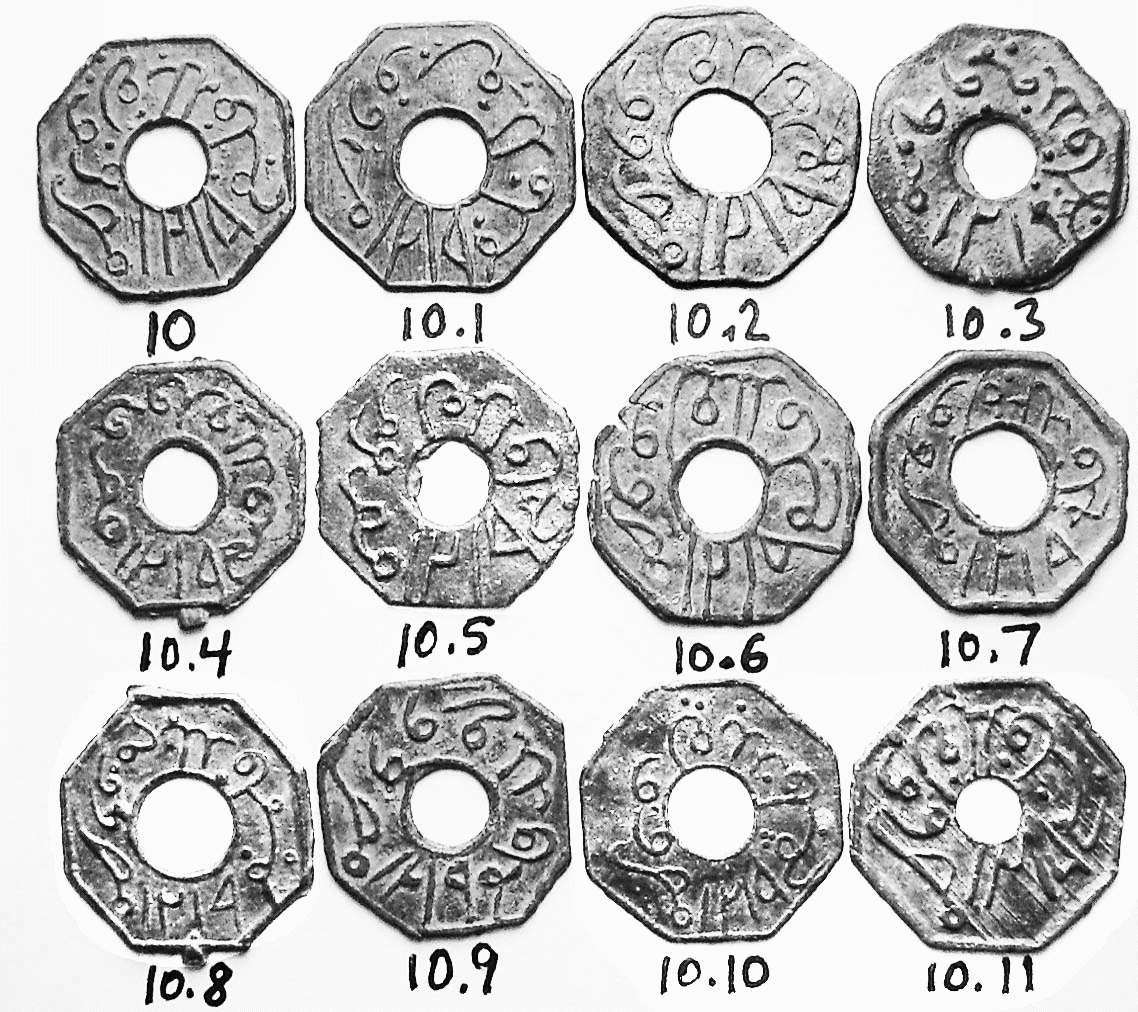
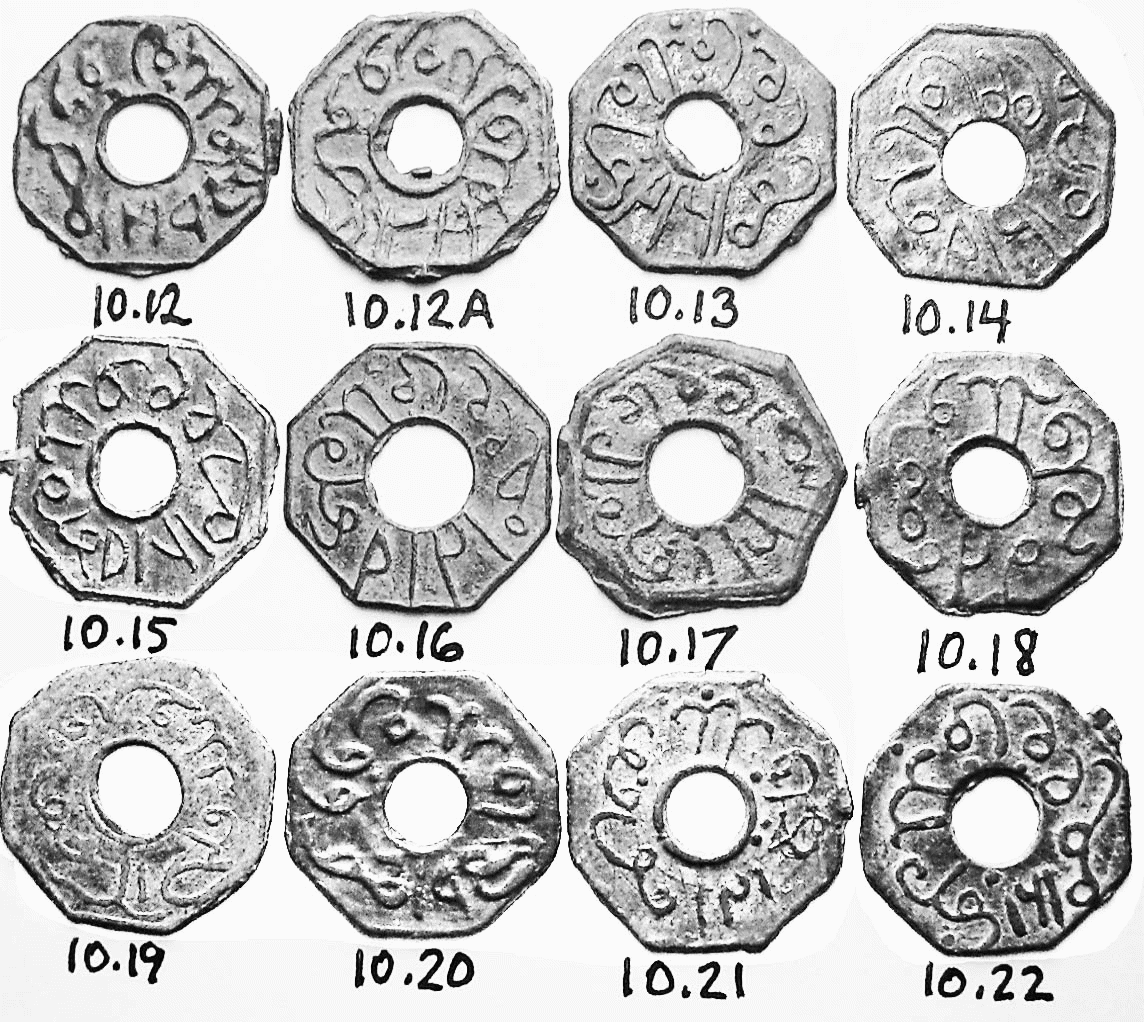
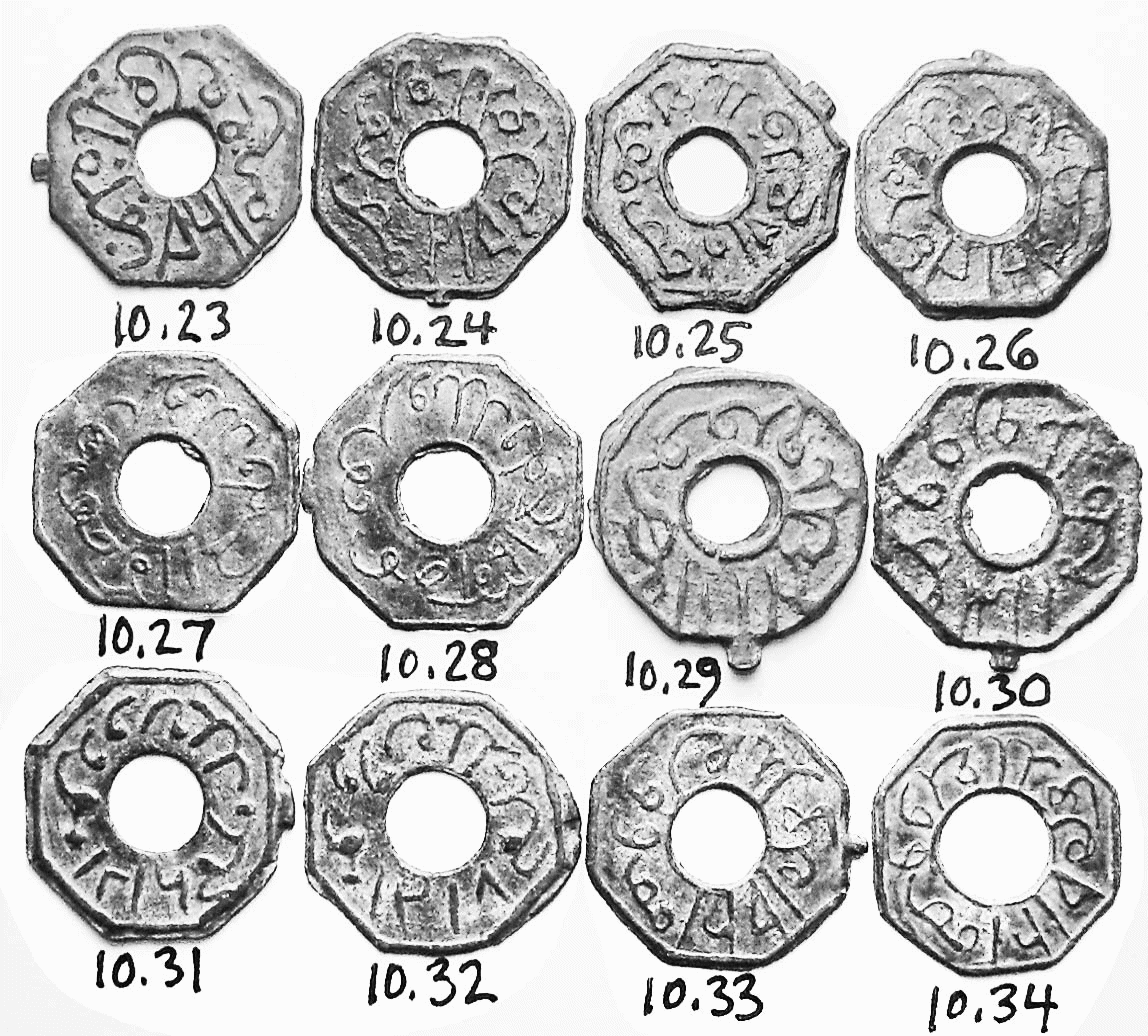
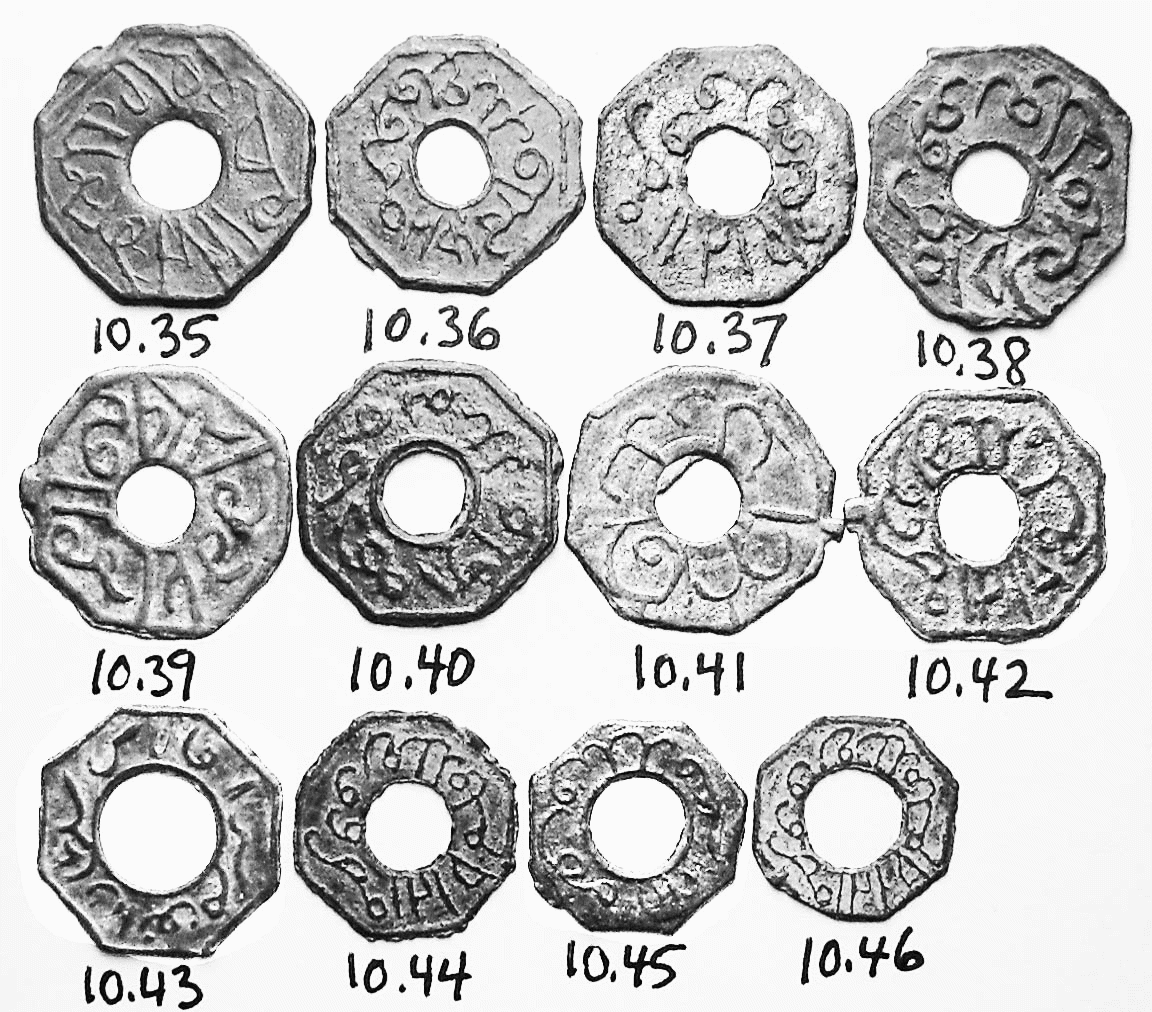
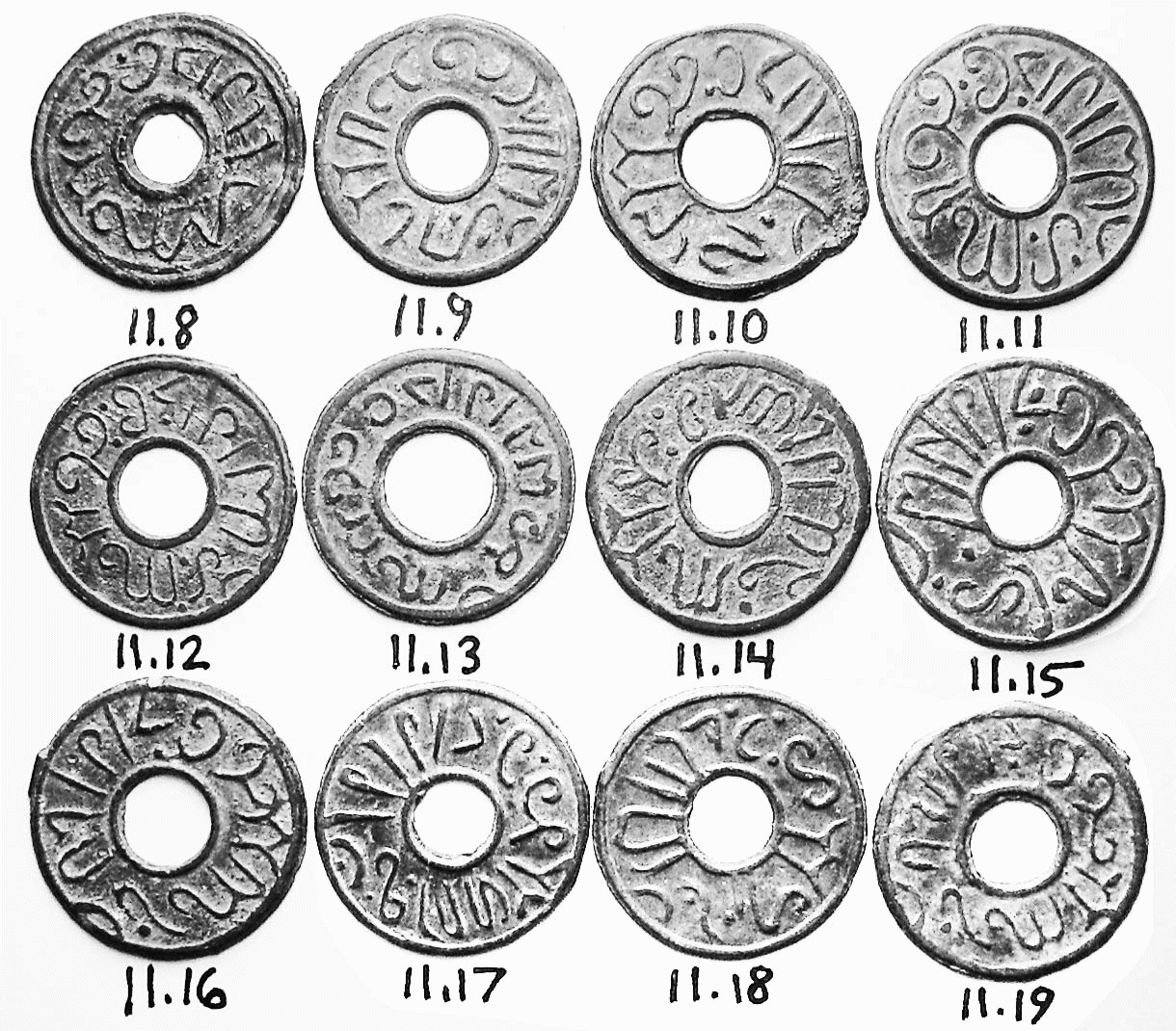
All photographs show actual coins, enlarged for clarity, and readers should note the true diameters provided in millimeters.
The illustrated examples represent better-than-average preservation. Orientation is sometimes subjective, as it is not always obvious which side is “up” to a Western eye.
Rarity ratings from R1, the most common, to R10, the rarest, are based on quantities observed in the hoards. An R10 rating indicates three or fewer known examples. These ratings are intended as general guides rather than precise measures. No valuations are provided.
For context, three examples of common types graded VF realized $213, including buyer’s fees, in a CNG electronic auction in October 2012. A group of six small coins dated AH 1193, previously miscatalogued as 1163, graded F to VF, sold for $299 in Teutoburger’s February 2014 auction. Such prices may appear high but likely reflect the historical scarcity of these coins in the numismatic marketplace.
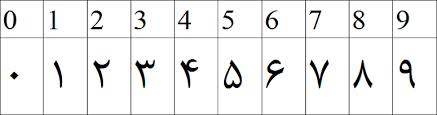
Here is a chart of Arabic numerals. Note, however, that the zero appears on these coins as a small “O” rather than a dot; and the 6 can be written like a Western “7” (or reversed Arabic 2).
THE CATALOG:
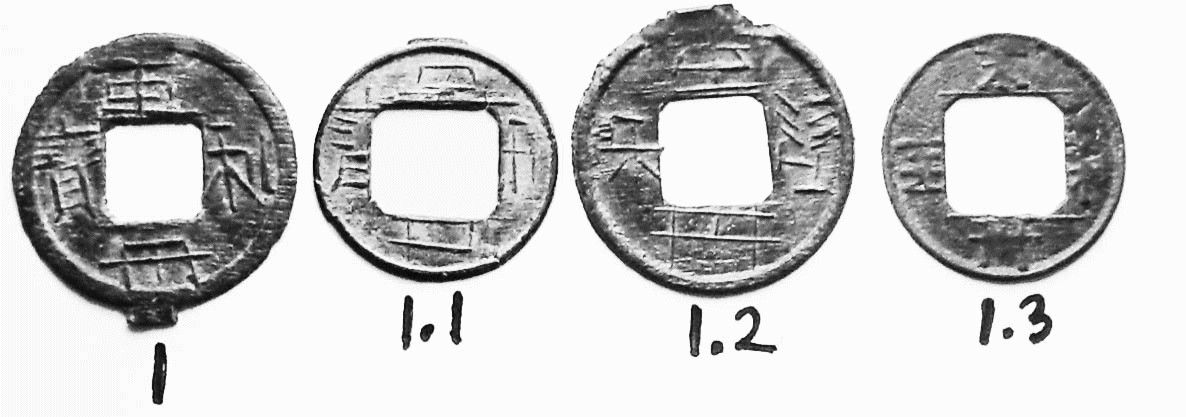
1 Li Poh, 1450-70, inscribed “Shi Dan Li Bao,” 18-19 mm, R8
1.1 15-16 mm, R10
1.2 Right and left characters reversed, 17-18 mm, R9
1.3 Very different, neater style, “Shi Dan Tong Bao,”16 mm, R10. One source calls this a Chinese merchant token, c.18th cent.
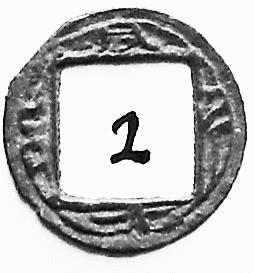
2 Copying Chinese coin? Xian-Yuan? 16 mm, Netscher 216? R9 (Lead-tin Indonesian imitations of Chinese coins, particularly Northern Song, are fairly common. However, the style of this piece is unusual and distinctive, with several pieces appearing in the hoards.)
3 Mahmud Baharuddin I, dated AH 1162 = 1749, “Sultan [or falus] fi bilad Palembang dar [al] Islam 1162,” Millies 184, 22 mm, R5 but almost always found very poor. Note, the date is at the top.
3.1 21 mm, R10 3.2 20 mm, large center hole, R8
3.3 22 mm, a strange barbarous version of this type? R10
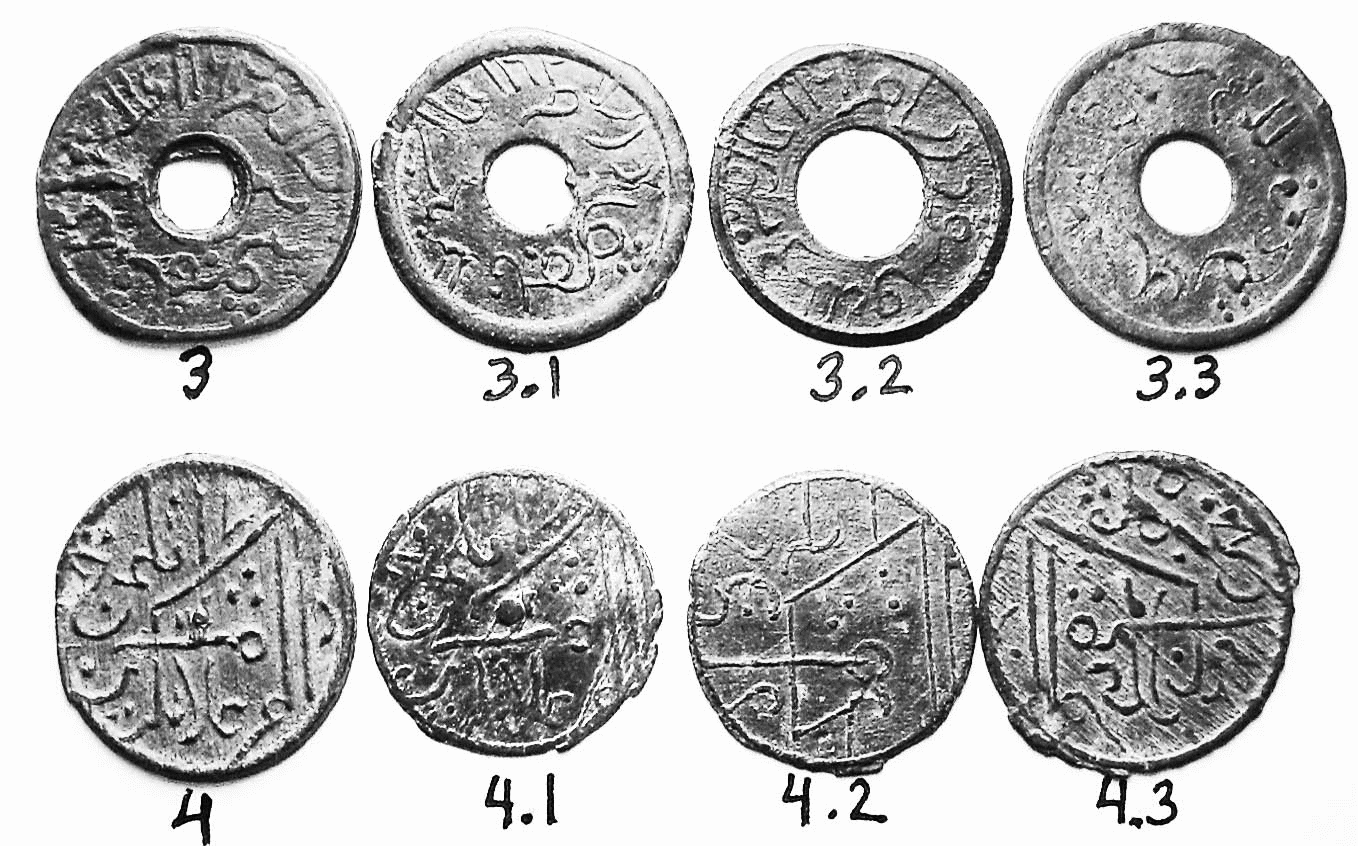
4 Undated (though some sources say AH 1163 = 1750), “Alamat bilad Palembang,” Millies 200, 21 mm, R1
4.1 Smaller and a little barbarous, 19-20 mm, R7
4.2 A distinctive barbarous version, 20 mm, R8
4.3 As #4 but retrograde (mirror-image), 21 mm, R4
4.4 As #4.2 but retrograde, 20 mm, R10
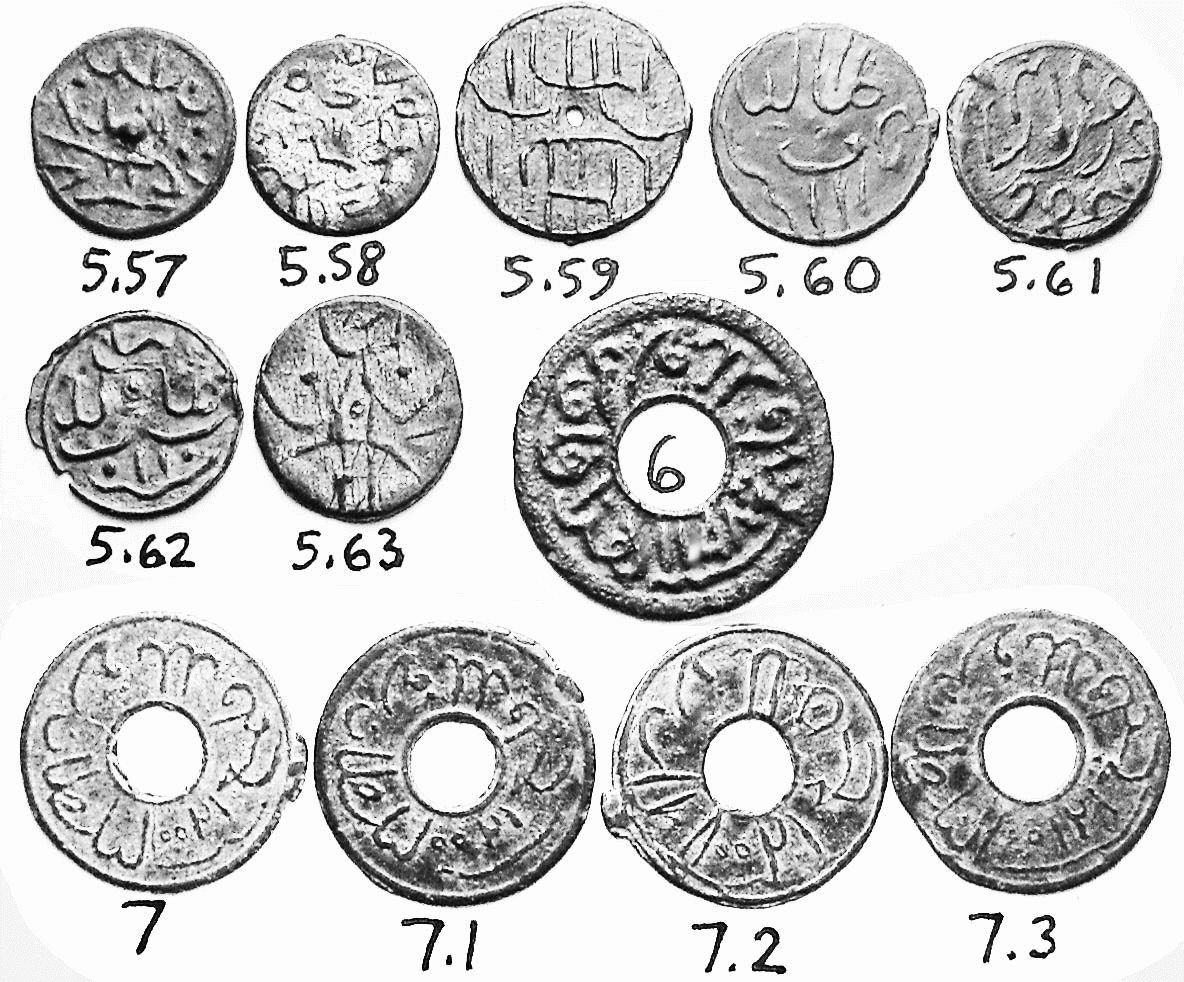
5 Muhammad Bahudin (1776-1804), AH 1193 = 1779, “Al-Sultan fi beled Palembang sanat 1193,” Millies 187, R1.
All varieties of this type, below, are 13-15 mm unless noted. Various different dates have been reported, e.g., 1183 in Millies. However, all seem to be the same issue; while many do appear as “1183,” the 8 is really just an ill-written 9 with an overgrown top, as evidenced by many “in-between” ones seen. Also, because of its small size, barbarous versions of this type proliferate.
5.1 Large date with clear well-formed 9, R6
5.2 Distinctive rough/crude fabric, always with central casting “button,” R1
5.3 Distinctive style with thin characters touching top rim, R5
5.4 Small o before date, R3 5.5 Small size, 13 mm, R1
Date variants:
5.6 1111-, R2 5.7 1183, R2 5.8 193, R4
5.9 113, R2 5.10 13, R6 5.11 93, R8
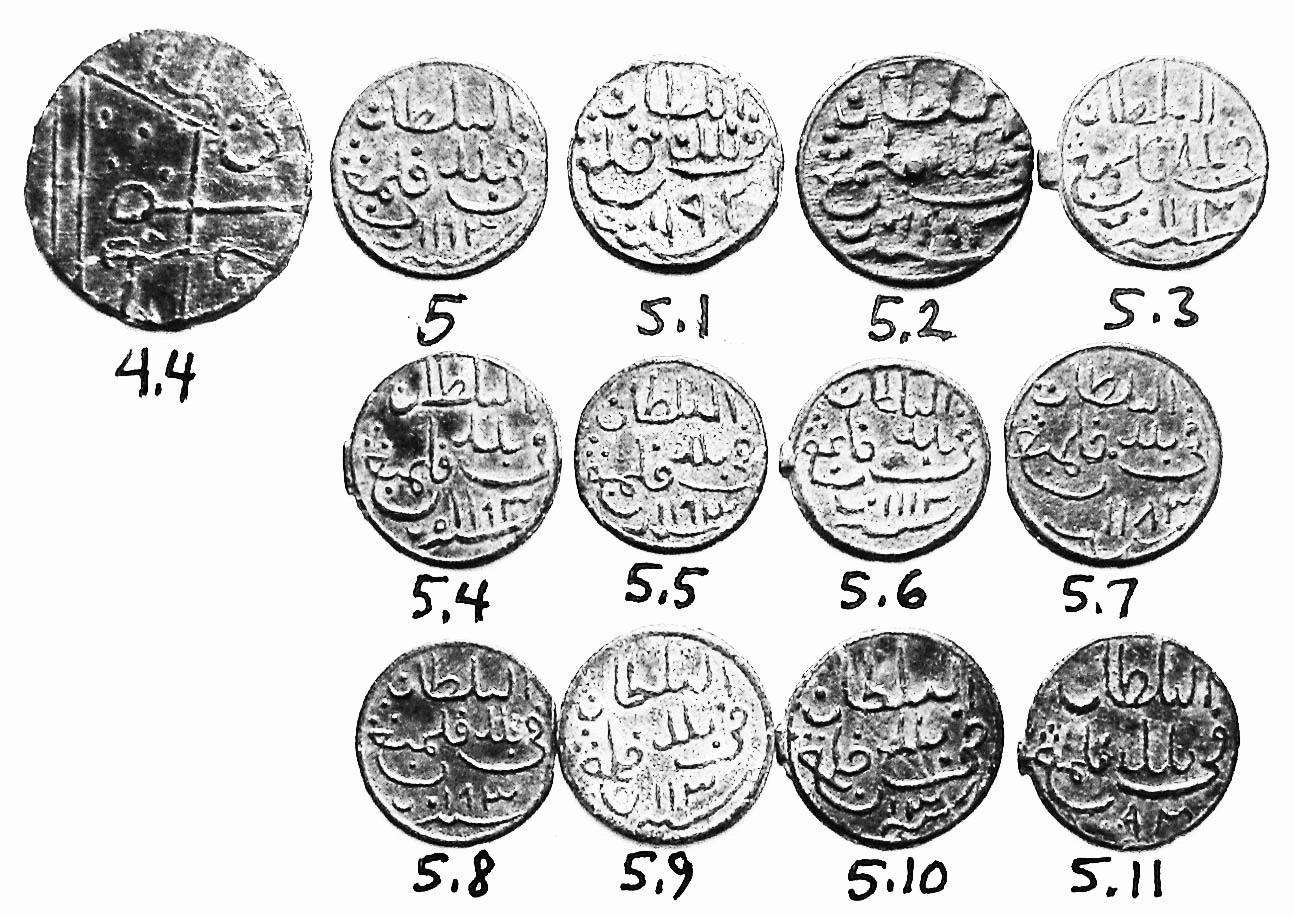
5.12 1183 retrograde, 13 mm, R10
5.13 1193 retrograde, R10 5.14 1123 (9 reversed), R10
5.15 “3P11,” R9 5.16 11113, R8 5.17 6111, R7
5.18 “66U,” R10 5.19 “1J11,” R8 5.20 “1J3,” R9
5.21 113 retrograde, R10 5.22 Date area blank, R8
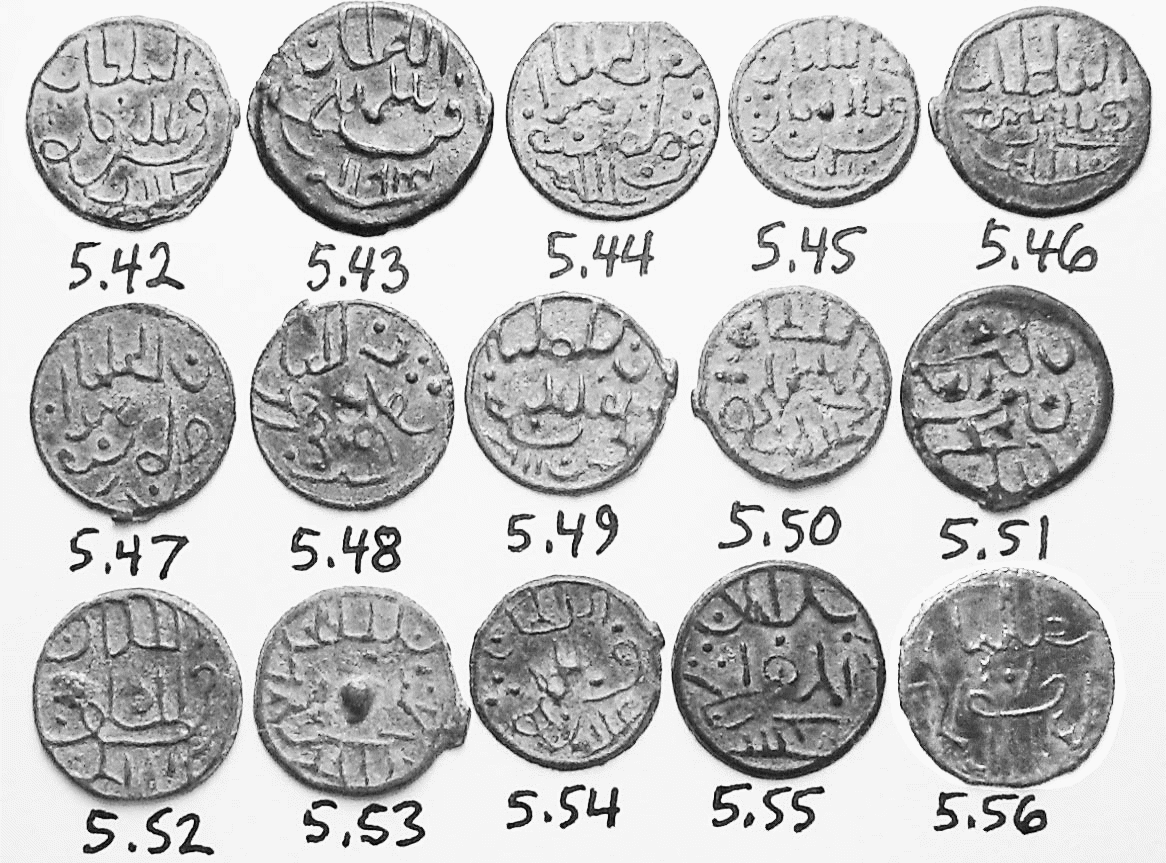
Additional varieties, consult photos:
5.23,24 R3 5.25 R7 5.26,27 R9 5.28 12 mm, R7
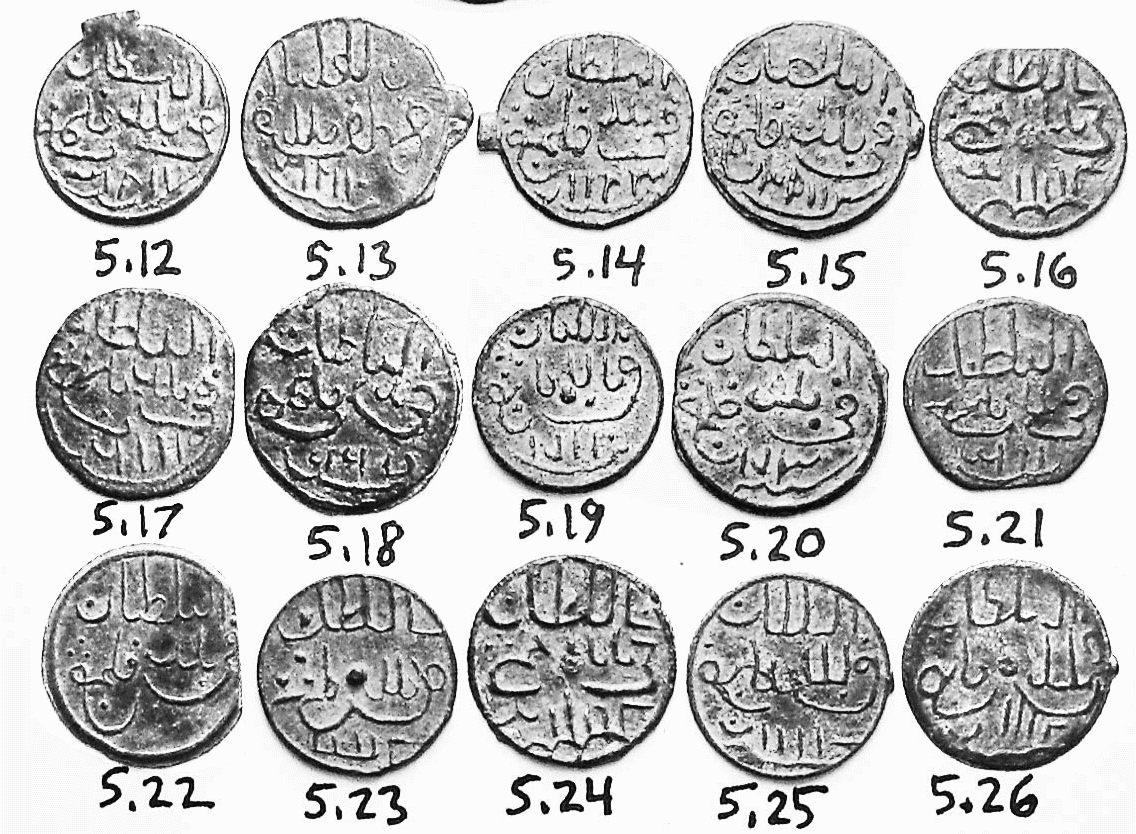
5.29 R6 5.30 R9 5.31 R5 5.32 note top legend, R10
5.33 R9 5.34-36 R10 5.37,38 R6 5.39 R9
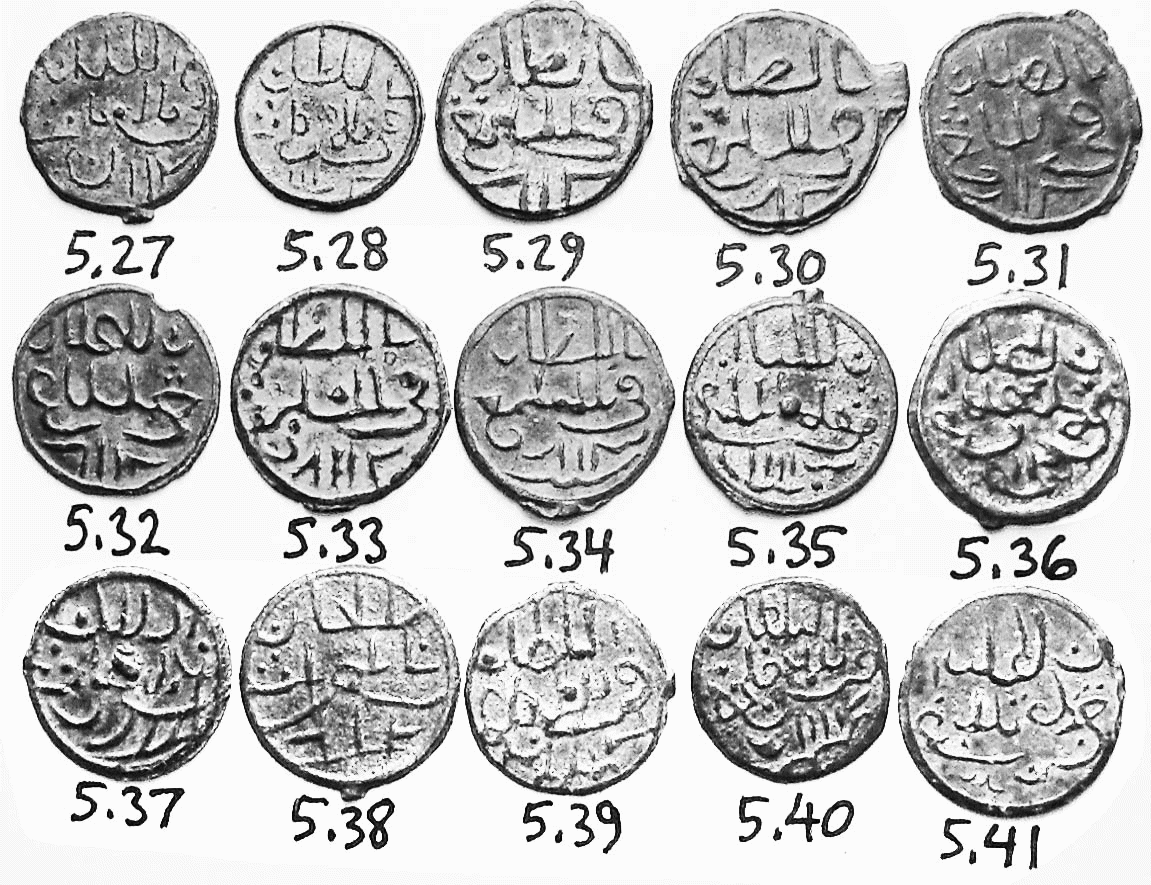
5.40-43 R10 5.44 R8 5.45 R7 5.46 R9 5.47,48 R10
5.49 R9 5.50 R8 5.51,52 R10 5.54 R8 5.55-58 R10
5.59 Small central hole appears as made, R10
5.60 R10 5.61 Many variants generally similar, R8
5.62 R10 5.63 R8
6 AH1198=1784, COPPER coin, 21 mm, “Haza fulus fi bilad Palembang sanat” (“piece of copper of the city of Palembang, Year 1198”), Millies 188, Craig 112 (“Duit”), R10. (Note, none found in the river hoards.)
7 AH1200=1786, “Al-sultan fi beled Palembang sanat 1200,” date retrograde (backwards), 18 mm, Millies 189, R2 but always in shallow relief hence nice ones are much rarer. Noting the many corrupted dates on the 1193 and 1203 issues, one might suppose this is just one more variant of the latter. However, its commonness and close uniformity of distinctive style suggest this was a separate issue.
Note, the coin pictured as 7.1 has been deleted. The coin labelled “7.2” is actually now 7.1; the one labelled “7.3” is 7.2
7.1 Barbarous style, large calligraphy, 18 mm, R10
7.2 Date as 12100, R10
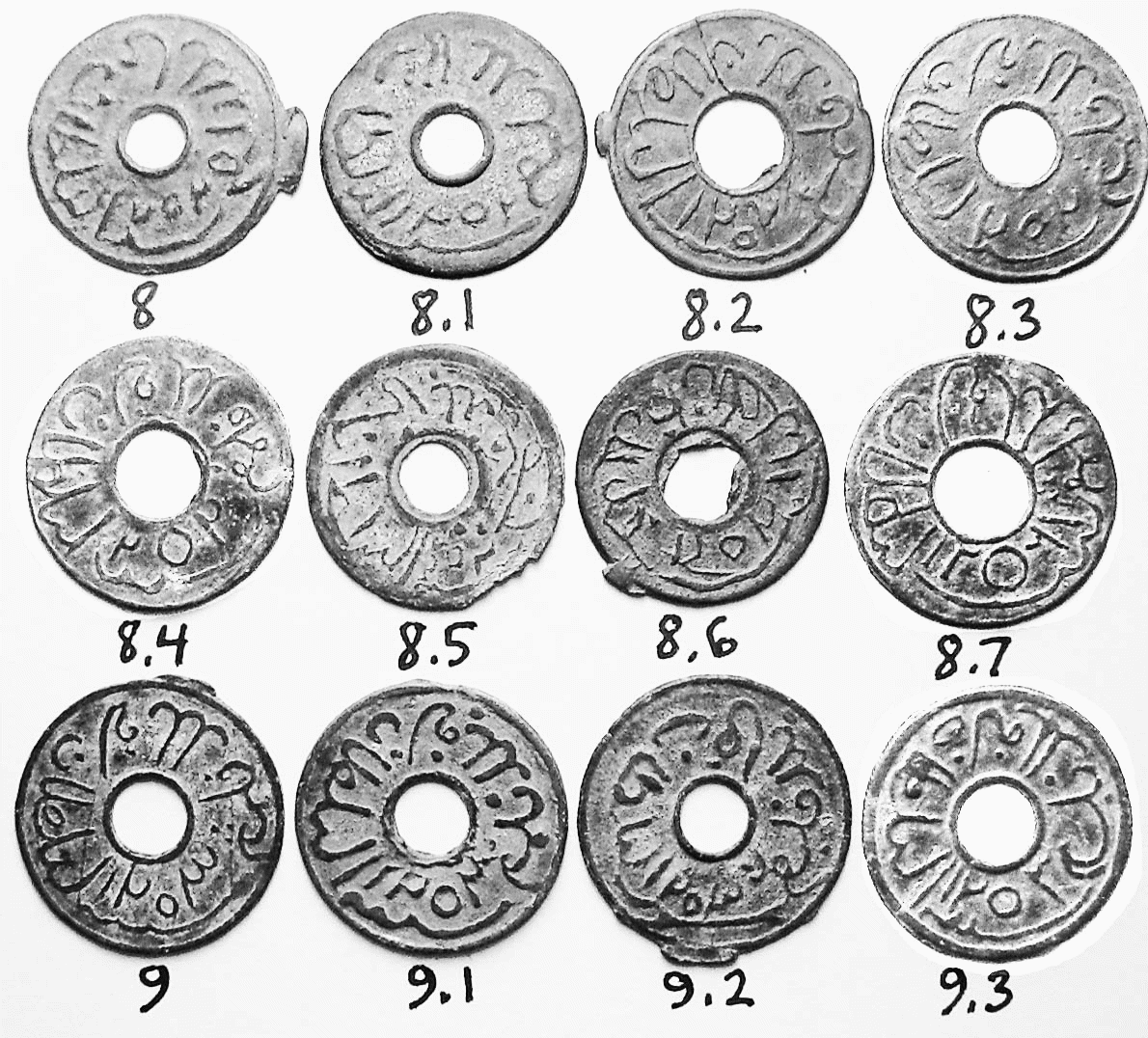
8 AH1202=1788, 18-19 mm, “Al-sultan fi beled Palembang sanat 1202,” Millies 191, R4. Again one might think these mere variants of the 1203s. Some probably are, but some seem to be a distinct issue intentionally dated 1202
8.1,2 18 mm, R10 8.3 Date “202,” 19 mm, R8
8.4 Date “202,” different style, 19 mm, R9
8.5 Date small and weak, 17 mm, R9 8.6 17-18 mm, R9
8.7 Date with large round O, 19 mm, R5
9 AH1203=1789, “Al-sultan fi beled Palembang sanat 1203,” 18-19 mm, Millies 192, R1. Stylistic variations:
9.1 R1 9.2 R2 9.3 R10 9.4 small date, R9
9.5 Usual character at top omitted, R9 9.6 R9
9.7 R10 9.8 R3
9.9 2 in date backwards, always very shallow relief, R3
Retrograde (mirror-image) varieties:
9.10 R5 9.11 R7 9.12 R8 9.13 R10
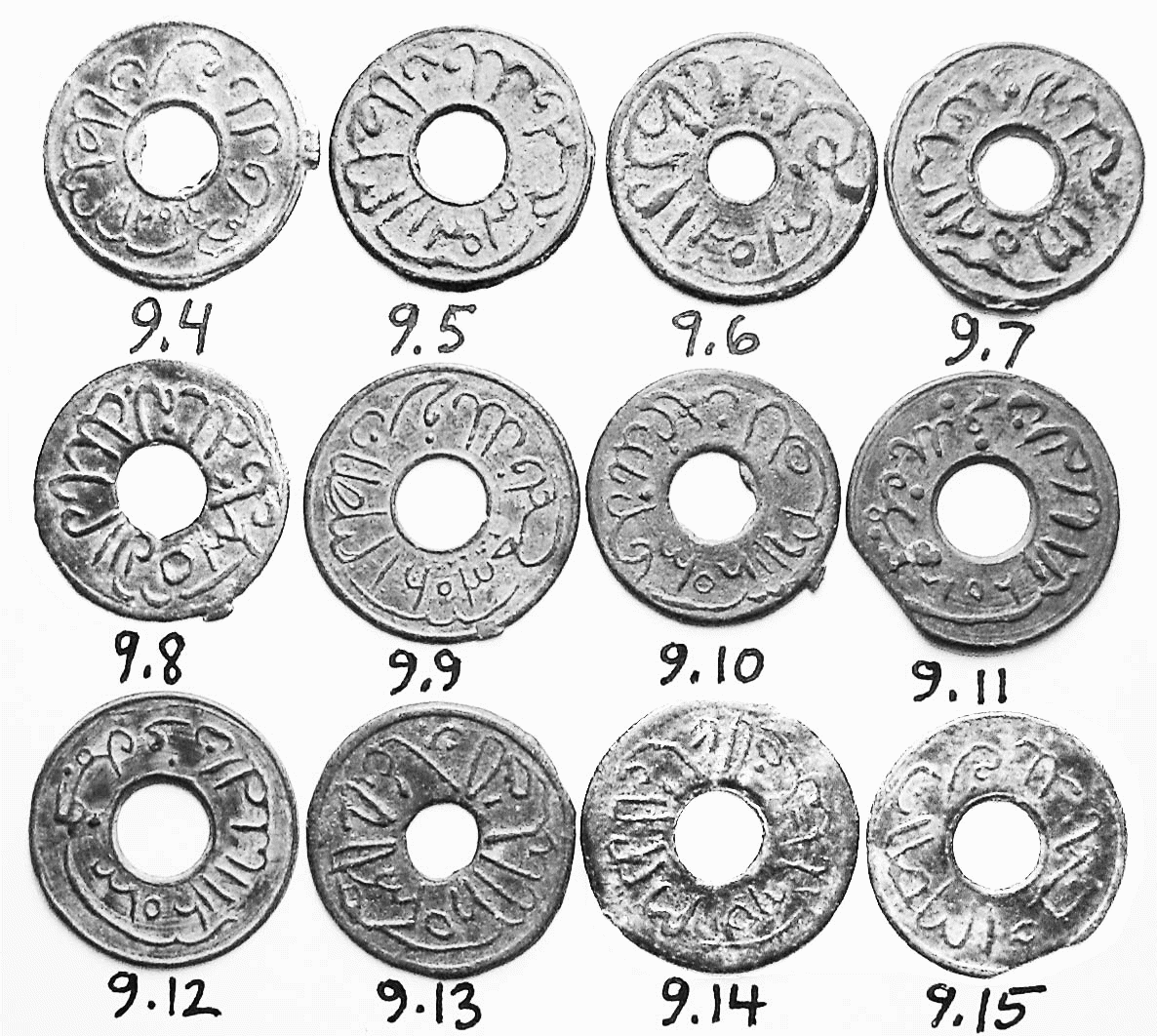
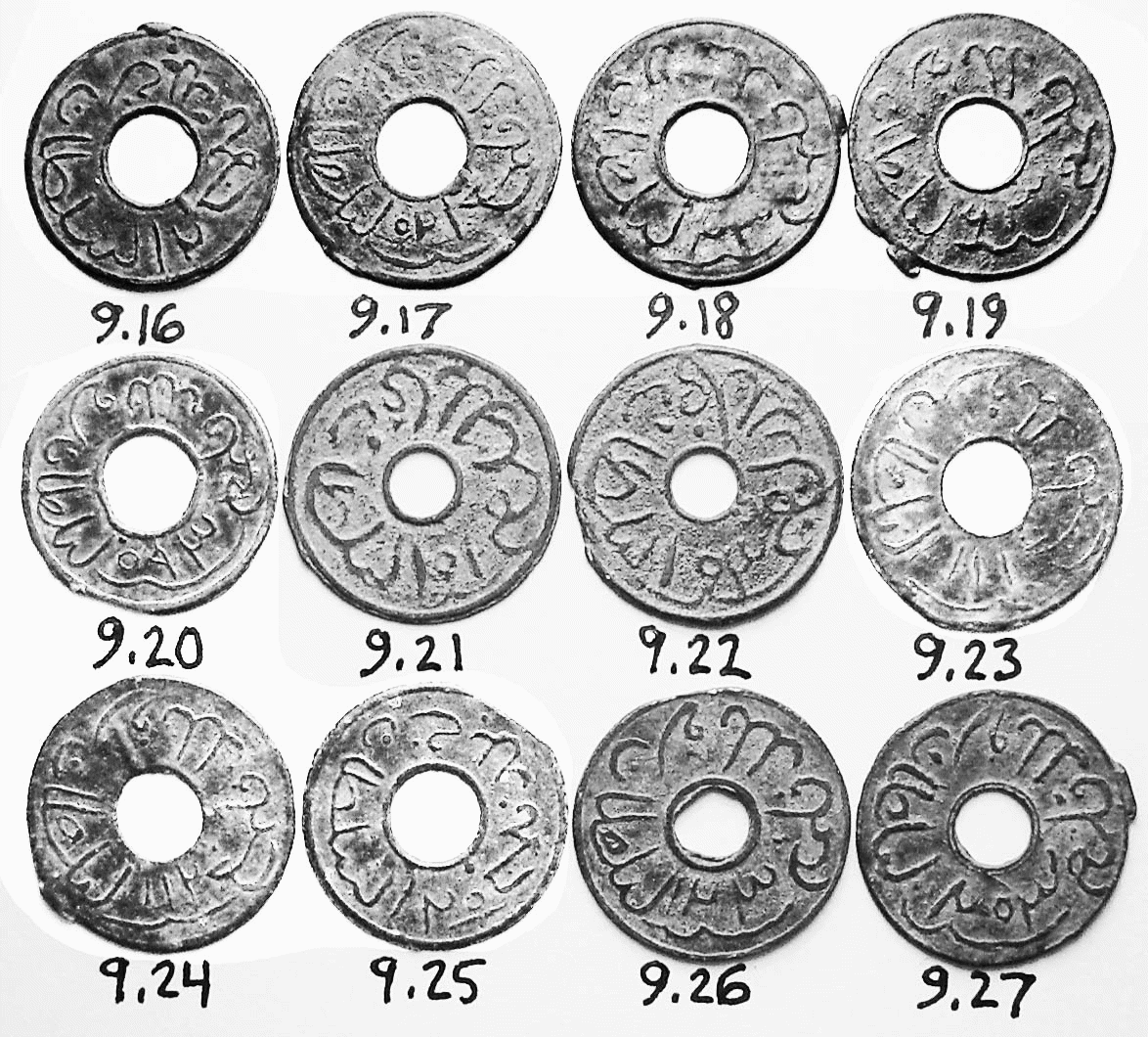
Error dates, in more or less numerical order:
9.14 03, R10 9.15 10, R7 9.16 12, R8 9.17 21, R8
9.18 23, R10 9.19 63, R10 9.20 093, R10
9.21 101 (probably actually 202 with 2s ill-formed), R7
9.22 103, R10 9.23 111, R10 9.24 112, R10 9.25 120, R9
9.26 123, R3 9.27 203, R9 9.28 203, different style, R9
9.29 302, R9 9.30 302, different style, small date, R10
9.31 306? entirely retrograde (mirror-image), very crude, R4
9.32 604? R10 9.33 1023, R2 9.34 1063, R9 9.35 1102, R10
9.36 2013, R9 9.37 2203, R8 9.38 10083, R10
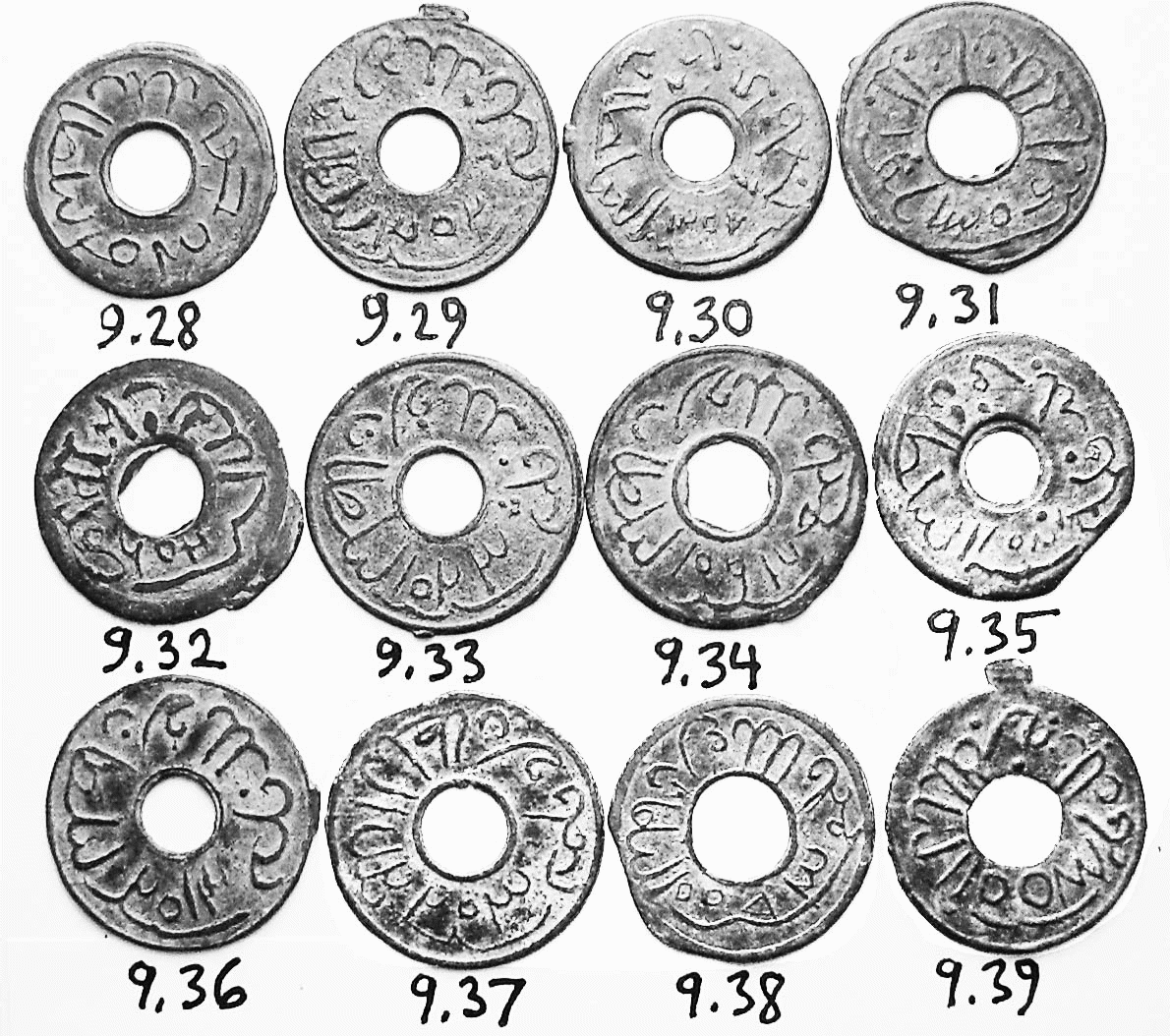
9.39 11003, R9 9.40 11103, R7 9.41 “P9P3” R10
9.42 Strange date, R9 9.43 Date area clearly blank, R10
Further varieties, see photos:
9.44 R8 9.45 R9 9.46 R10 9.47 R8
9.48 R4 9.49 R9 9.50 R9
10 Mahmud Badaruddin II (1804-21), AH1219=1804, “Masruf fi bilad Palembang 1219,” Octagonal with round central hole, Millies 195-97, 17-18 mm, R1
Stylistic varieties:
10.1 R5 10.2 R6 10.3 R4 10.4 R6 10.5 R9
10.6 & 10.7 R8 10.8-12 & 12A all R10
Retrograde (mirror-image) varieties:
10.13 R4 10.14 R8 10.15 R10
10.16 2 reversed, R10 10.17 relatively crude, R2
Bungled dates, in numerical order:
10.18 2, R10 10.19 11, R9 10.20 19, R10
10.21 121, very crude issue, most very weak, R6
10.22 121 retrograde, R10 10.23 129 retrograde, R8
10.24 219, R9 10.25 219, 9 backwards, R9
10.26 219 retrograde, R10 10.27 1011, R10 10.28 1091, R9
10.29 1111, R7 10.30 1211, R9 10.31 1216, R10
10.32 1218, R9 10.33 1291, R9 10.34 1619, R8
10.35 1911 retrograde, R10 10.36 2191, R10 10.37 11219, R10
Additional barbarous varieties:
10.38,39 R10 10.40 R7 10.41 R9
Smaller size:
10.42 15-16 mm, Millies 198, R5 10.43 15-16 mm, R10
10.44 14 mm, R3 10.45 14 mm, R10
10.46 13 mm, Millies 199, R1 10.47 13 mm, date 221, R9 10.48 12 mm, date 12, R10 10.49 10 mm, R8
11 Undated, “Zarb fi bilad Palembang dar al-Islam,” Millies 202-203, 19-20 mm, R1 (Hint: for identification of varieties, focus first on the part of the inscription at bottom.)
11.1 R1 11.2 18 mm, R6 11.3 R3 11.4 R5 11.5 R7
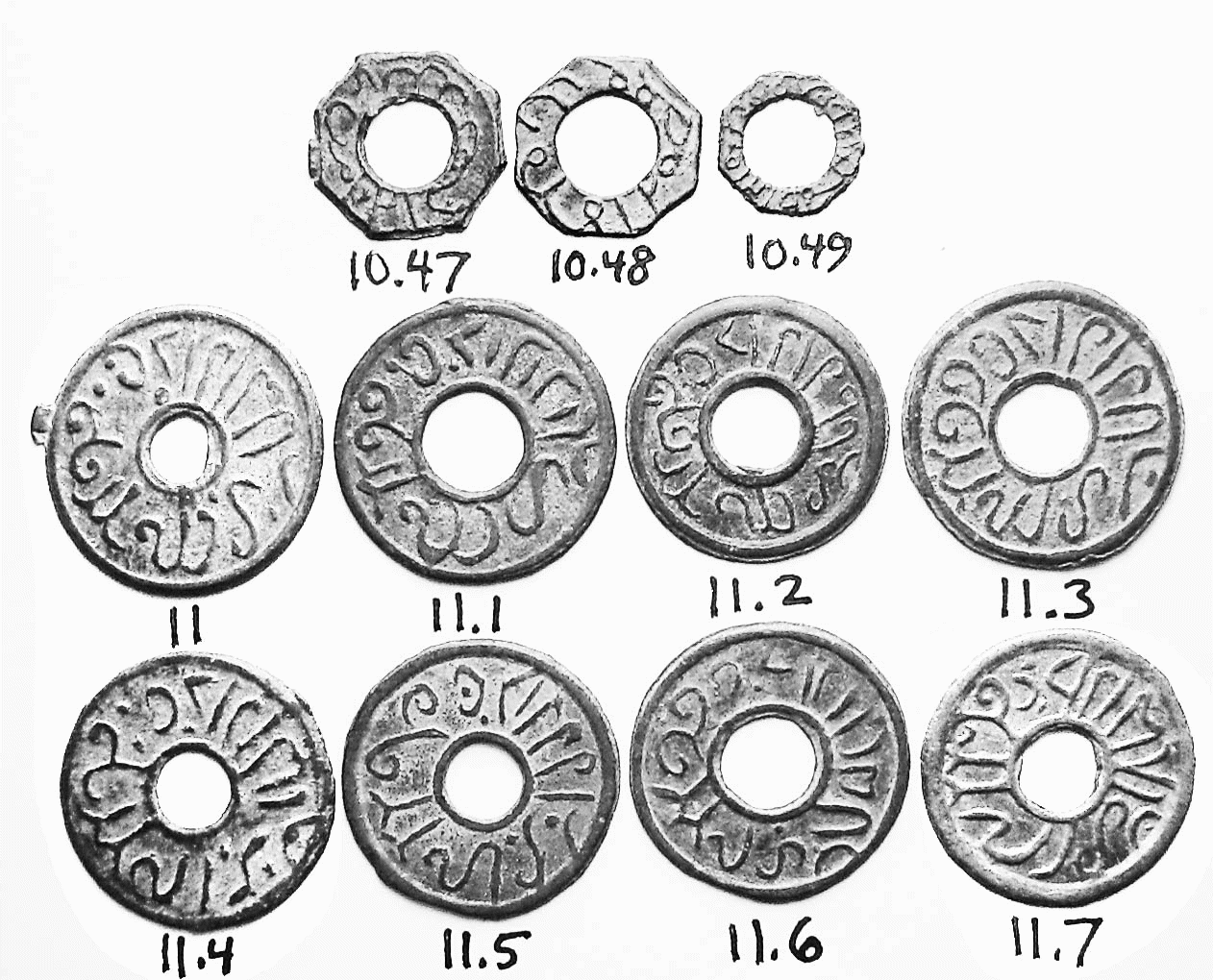
11.6 R7 11.7 R7 11.8 R8 11.9 R10 11.10 R9
11.11 R3 11.12 R1 11.13 R8 11.14 R10
Retrograde (mirror-image):
11.15 R5 11.16 R6 11.17 R7
11.18 R8 11.19 R9 11.20 R10
Additional varieties:
11.21 R3 11.22 R4 11.23 R9
11.24 (Note “>” at top instead of “<“) R6 11.25 R8
11.26 R10 11.27 R8 11.28 R9 11.29 & 29A R10
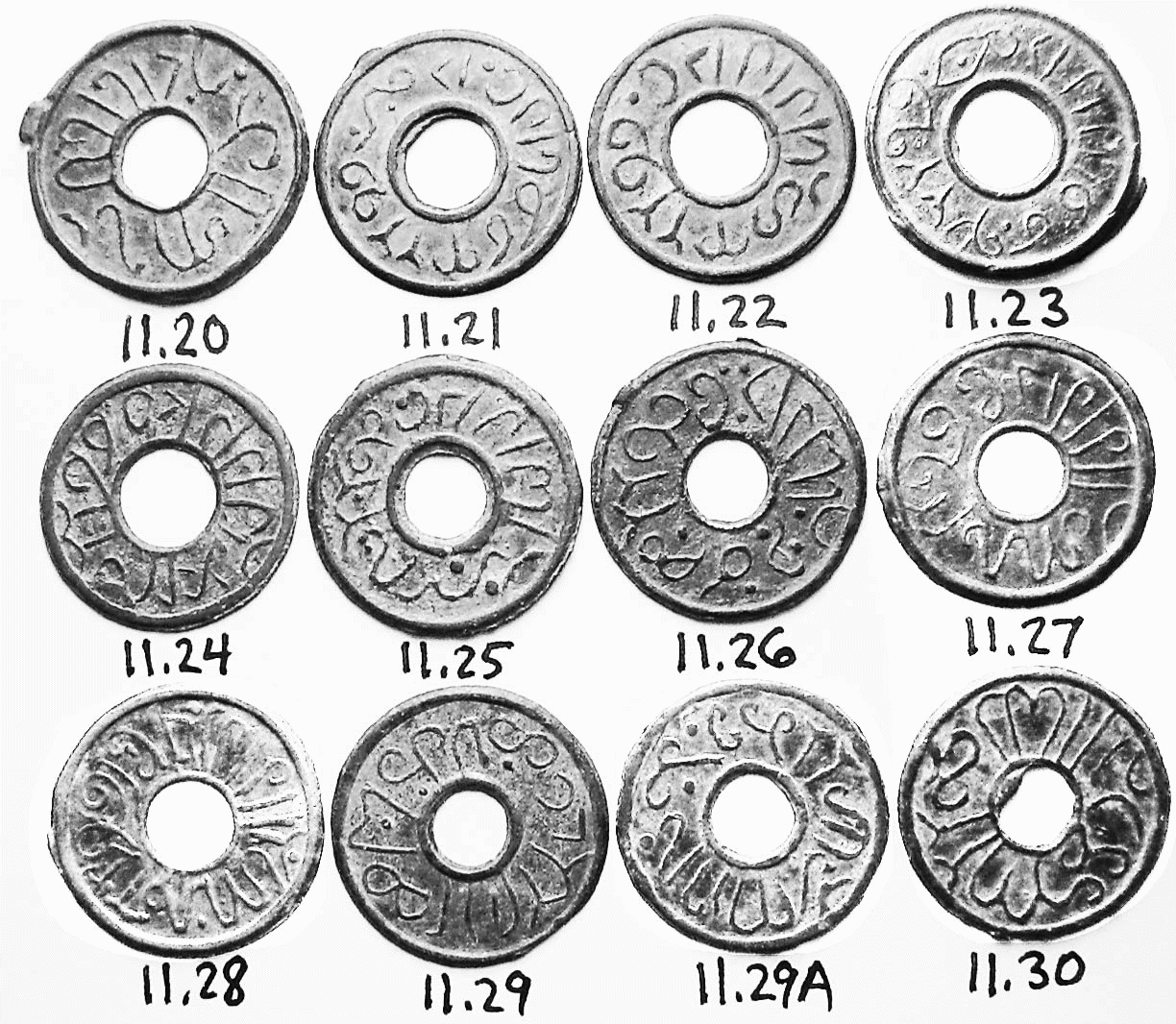
11.30,31 R8 11.31A R10 11.32 R8 11.33 R10
11.34,35 R9 11.36 R7 11.37 R8 11.38-44 R10
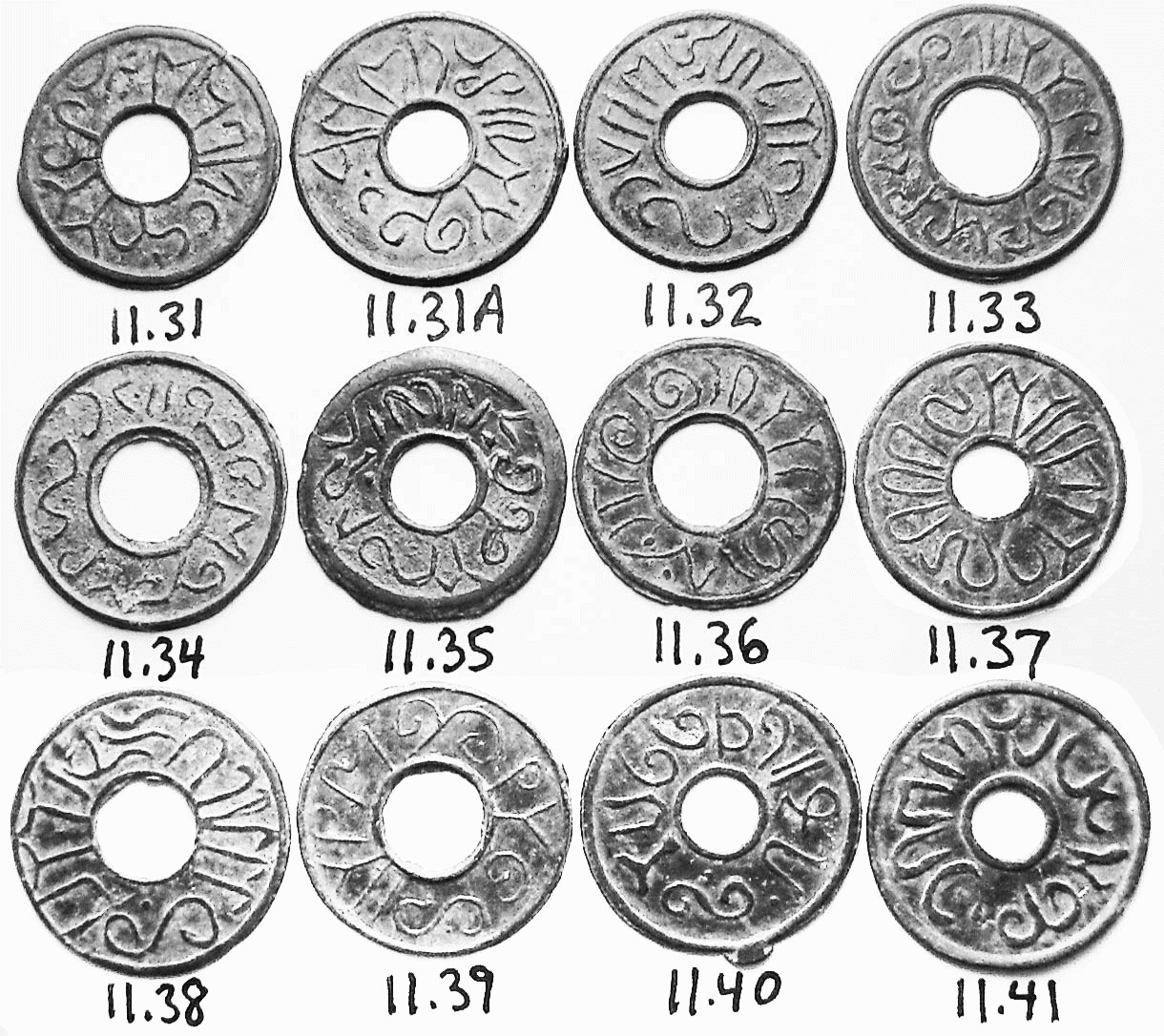
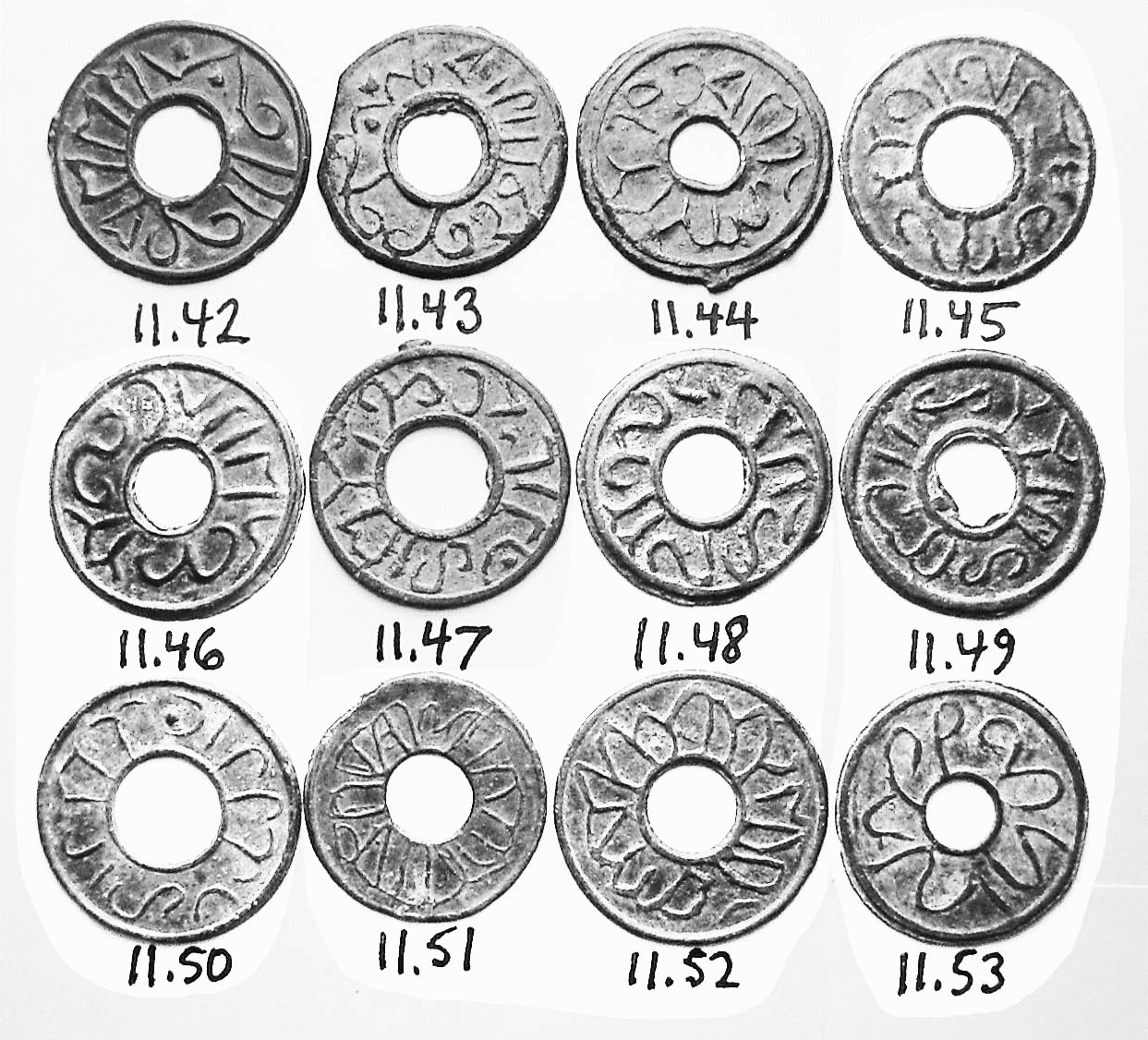
11.45,46 R9 11.47 R10 11.48 R8 11.49 R10
11.50-52 R9 11.53 R10
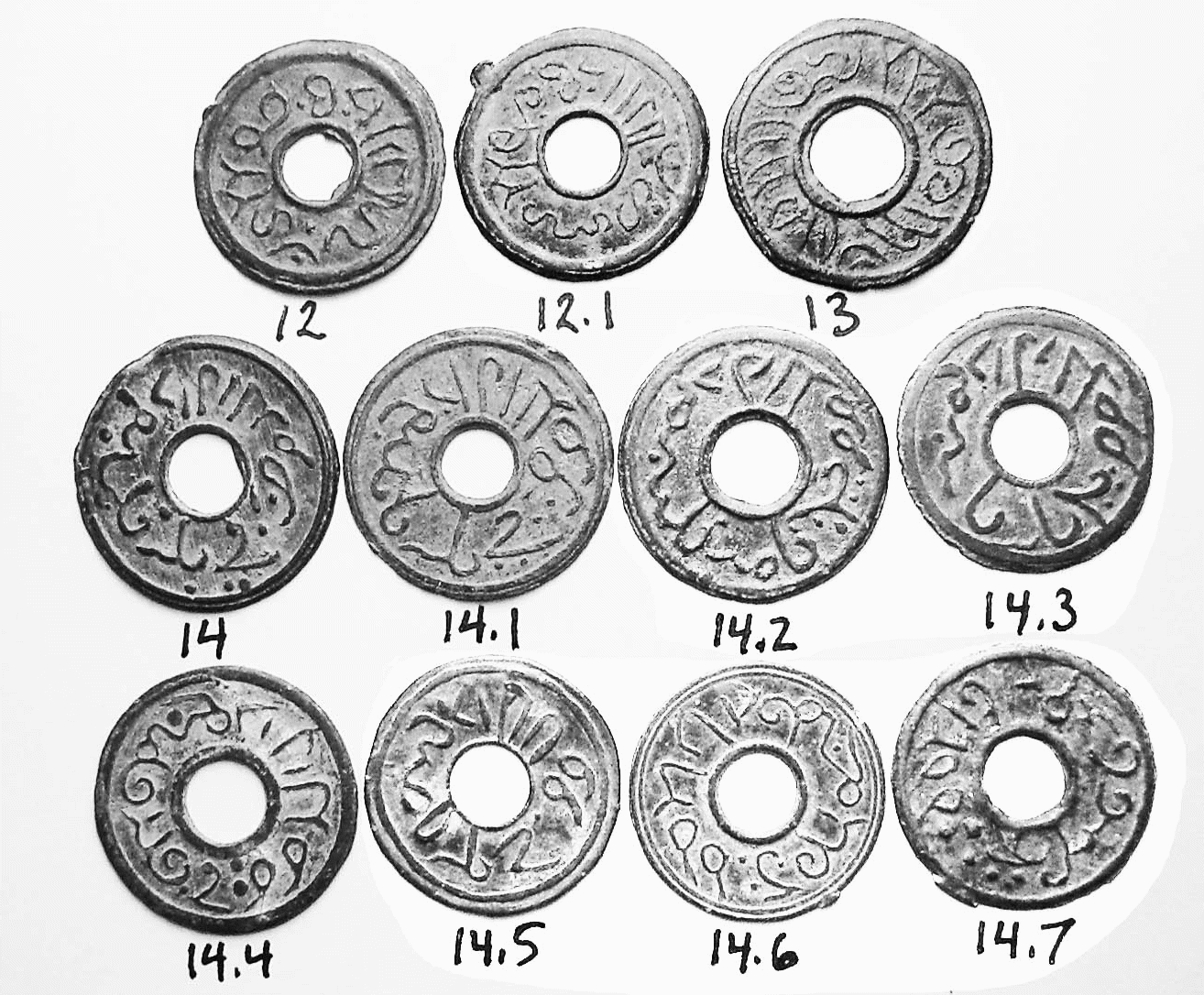
12 Similar but legend differs, Millies 204, 19 mm, R5
12.1 R7
13 Barbarous variant of Type 11? Very different, 19 mm, R7
14 Another undated type similar to previous, readily disting-uished by the character like a “2,” 19-20 mm, Millies 201, R1
14.1 R6 14.2 R4 14.3 R9 14.4 R5 14.5 R9
Retrograde: 14.6 R10 14.7 R9
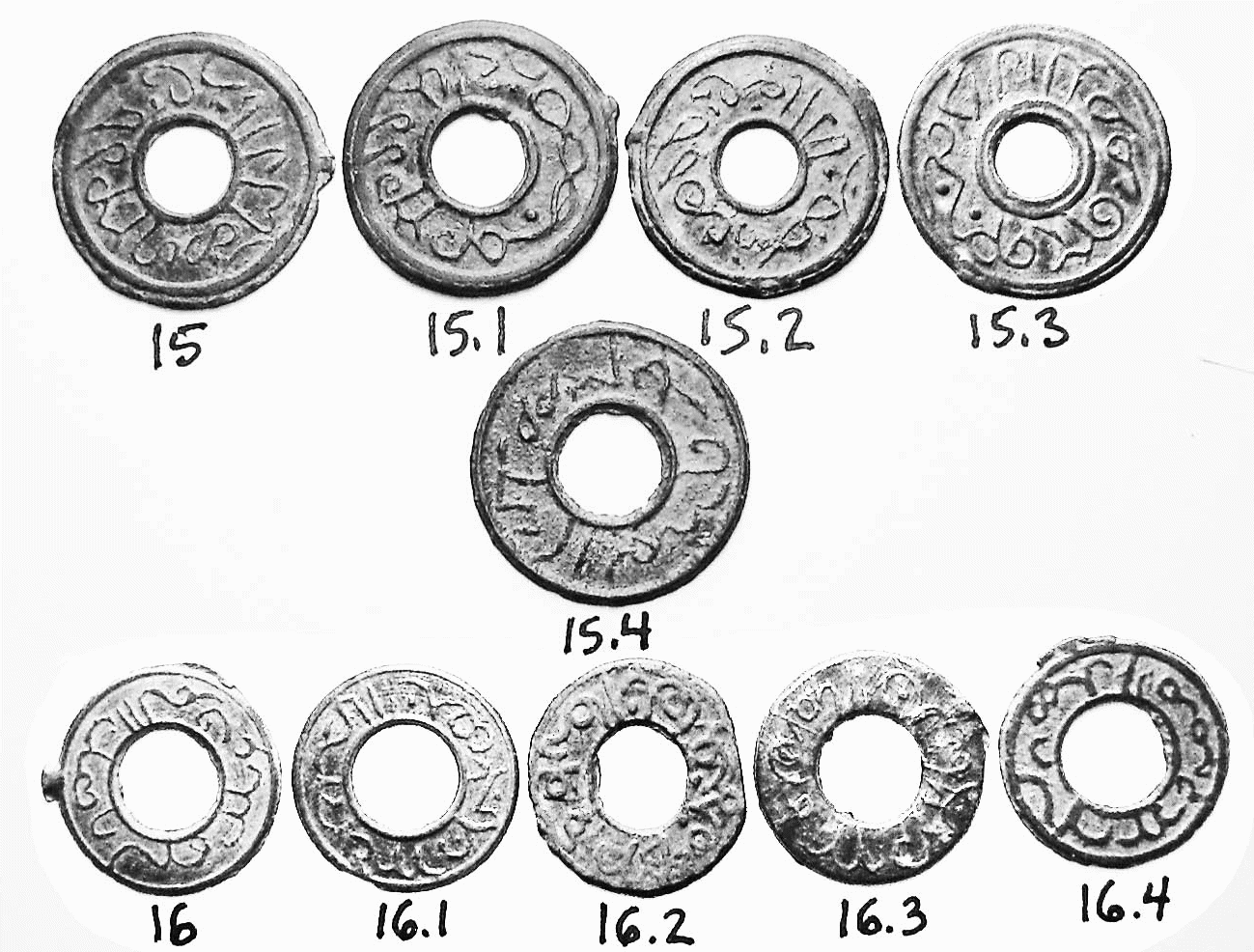
15 Similar to last but lacking the “2” shaped character; also similar to Type 12 but with double loop formation at left; 19-20 mm, R5
15.1 R10 15.2 lacks “YY” character, R10
15.3,4 Double loops on right, R8
16 Small size, 15 mm, R1, but nice ones much scarcer.
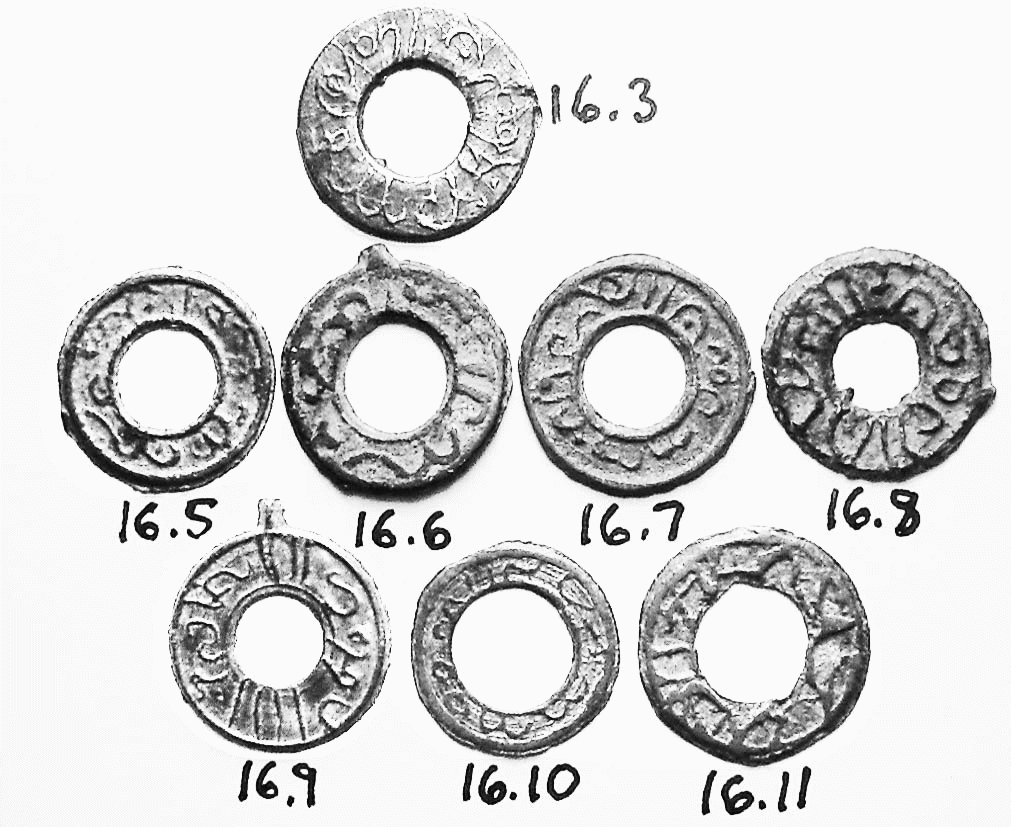
16.1 Retrograde, R6 16.2 R5 16.3 R10 16.4 R6
16.5 14 mm, R5 16.6 R8 16.7 R10 16.8 R9
16.9 Many variants with S-like characters at right & left and some parallel lines at top and/or bottom, R6
16.10 13-14 mm with large central hole, R6
16.11 Extremely crude pseudo-legends; many permutations; enough like this found to warrant a listing, R6
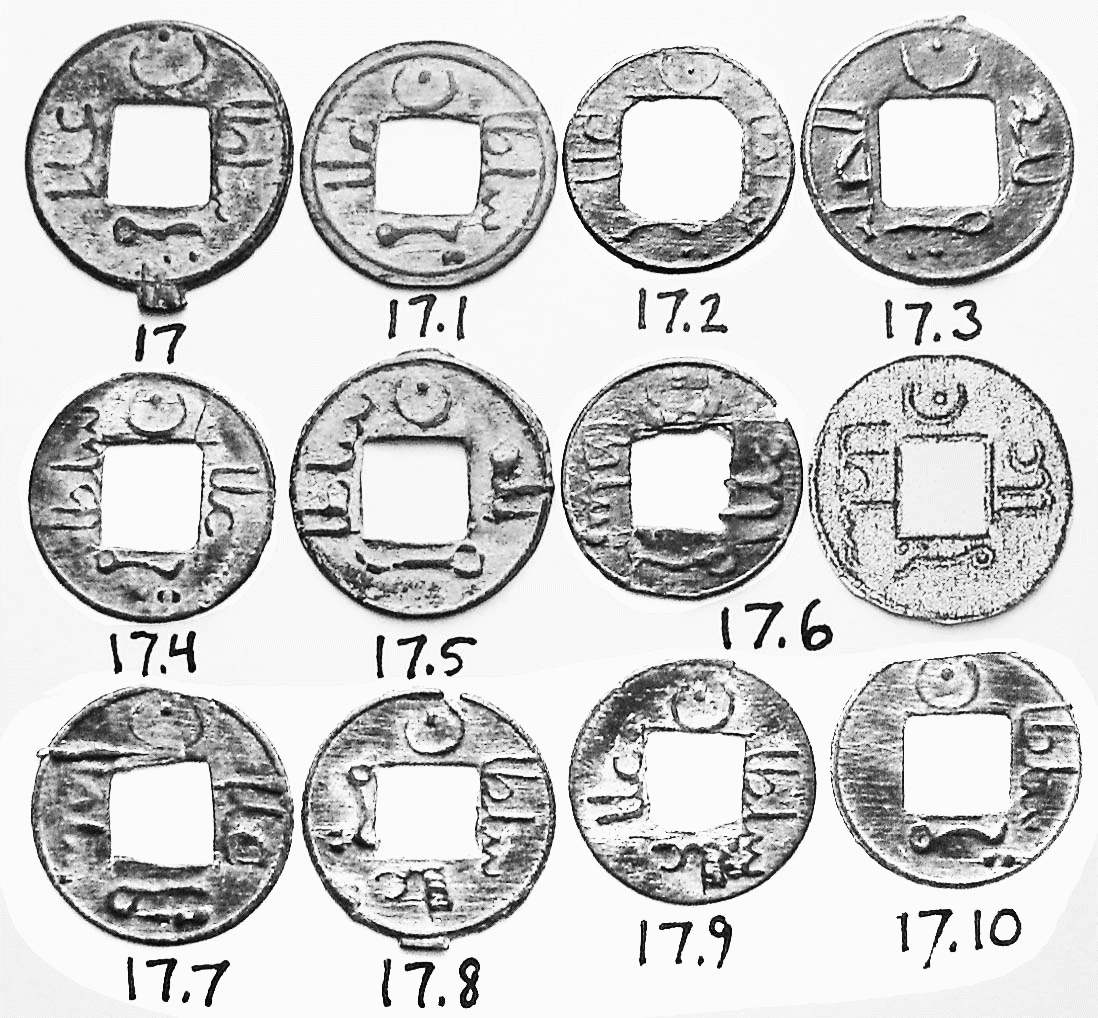
17 Four characters around square hole, “Alaa min sultan,” 18 mm, Millies 206; often with incomplete flans. Dating uncertain; some sources say Eighteenth Century. (Note, a F+ was reported sold at $75 by “Anything Anywhere,” 7/14) R2
17.1 16-17 mm, Millies 207, R2
17.2 15 mm, large central hole, R6
17.3 Retrograde (mirror image), Millies 208, 17-18 mm, R8
17.4 Characters at sides inverted; bottom character not retrograde, 17 mm, R7
17.5 Same but right character not inverted, 17 mm, R10
17.6 Characters at right & left face the other way, Millies 209, 16 mm, R10 (only one low grade example found; hence the Millies picture is being shown here as well)
17.7 Same but only left character faces the other way, R10
17.8 Characters at left & bottom switched, 16 mm, R10
17.9 Left character repeated at bottom, 16 mm, R10
17.10 Left character omitted, 16 mm, R10
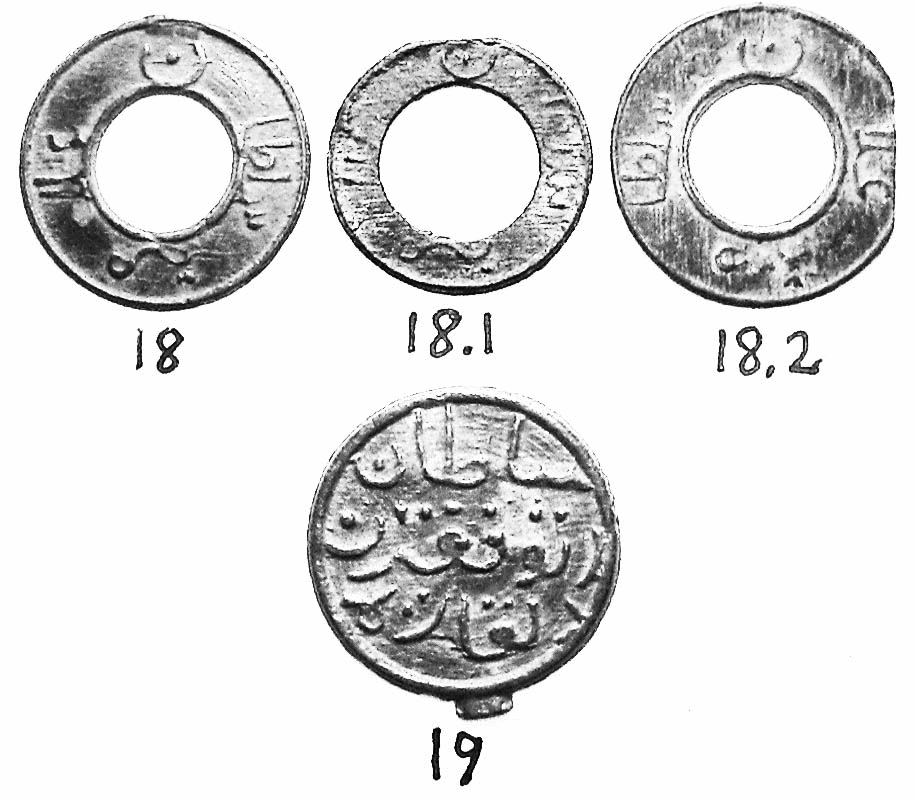
18 As Type 17 but round central hole, 19-20 mm, R4, but much rarer in passable condition.
18.1 17-18 mm with large central hole, characters very shallow and weak, R9
18.2 Right and left characters switched & inverted, 20 mm, R9
[Image missing]
19 This is not actually a Palembang coin, but is being included because it has sometimes been wrongly so attributed and also, indeed, a fair number of these did turn up in the Palembang river hoards. The coin is from the Demak Sultanate, on Java, of Pangeran al-Patah, 1475-1518; 19 mm
Thank you to By Frank S. Robinson for the imagery and information.