
Card grading is an essential aspect of the trading card hobby, providing a standardized measure of a card’s condition and, by extension, its value.
Collectors and investors alike rely on professional grading services to evaluate their cards, considering factors like centering, corners, edges, and surface quality.
Among these, print lines—often seen as a flaw on the card’s surface—are a common concern.
But how significant are these print lines in the overall grading process?
Understanding Print Lines
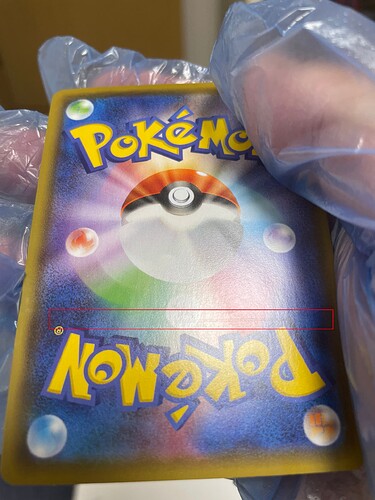
Print lines, also known as roller lines or surface lines, are imperfections that appear as thin, straight lines across the surface of a card.
These lines can vary in visibility, with some being barely noticeable under normal lighting, while others are more prominent.

They usually arise during the manufacturing process, either from the rollers used to apply ink or laminate to the card or from the cutting machines used to separate individual cards from printed sheets.
The presence of print lines can be frustrating for collectors, especially when they appear on otherwise mint-condition cards. While these lines are generally considered manufacturing defects, they can still impact the grading outcome, depending on their severity.
The Grading Process: How Print Lines Are Evaluated
When a card is submitted for grading, professional grading companies like PSA (Professional Sports Authenticator) or BGS (Beckett Grading Services) evaluate it based on several criteria, with surface quality being a critical factor.
Here’s how print lines fit into this process:
- Surface Quality Assessment: The surface of the card is inspected closely for any imperfections, including print lines. Graders typically use magnification tools and special lighting to identify and assess these lines. The severity, length, and location of the print lines are all considered during this evaluation.
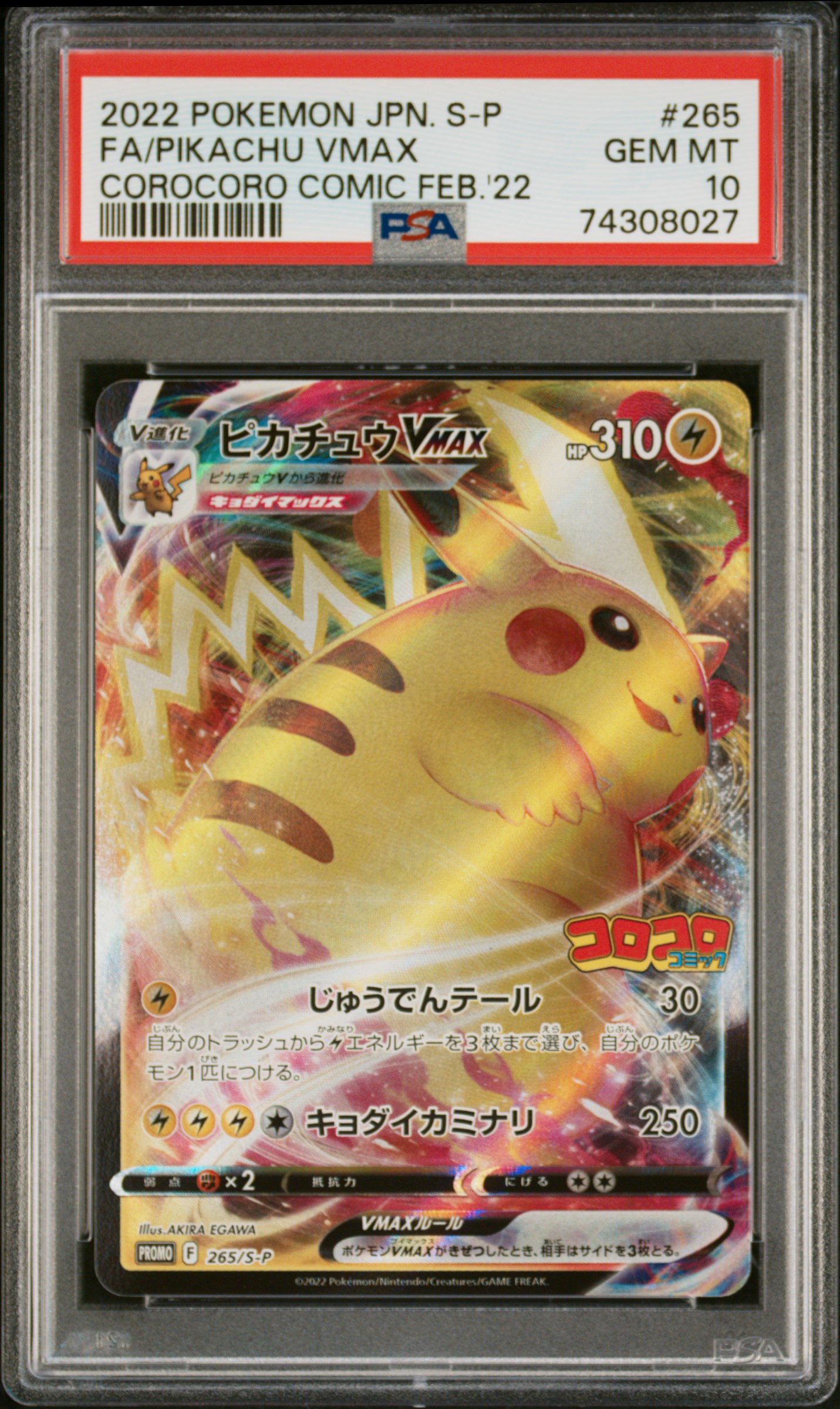
- Impact on Overall Grade: The extent to which print lines affect the overall grade of a card depends on their prominence. A single, faint print line might result in a slight downgrade, whereas multiple or more noticeable lines can lead to a more significant reduction in the card’s grade. For example, a card that might have received a “Gem Mint” grade could be downgraded to “Mint” or lower if the print lines are deemed too intrusive.
- Location Matters: The positioning of print lines plays a crucial role in grading. Lines that are located in less conspicuous areas, such as the border or background, may have a lesser impact compared to those crossing key elements of the card, like the player’s image or text. A print line that disrupts a central feature of the card is likely to be penalized more heavily in grading.
- Rarity Consideration: In some cases, the rarity of a card can influence how strictly print lines are judged. For extremely rare or highly sought-after cards, grading companies might exercise some leniency if the print lines are a common issue across all cards from that specific print run. However, this is not guaranteed and can vary depending on the grading company and the specific card.
Collectors’ Perspectives: To Grade or Not to Grade?
The presence of print lines can create a dilemma for collectors: should they still submit the card for grading, or should they accept the card as is? This decision often depends on the card’s overall condition and value.
For high-value cards, grading is usually recommended even if print lines are present, as a professional grade can still add credibility and value to the card. In some cases, a card with minor print lines might still receive a high grade, making it worthwhile to submit for grading.
On the other hand, if the print lines are severe and significantly detract from the card’s appearance, collectors might opt to keep the card raw (ungraded) to avoid a low grade that could negatively impact its market value.
The Real Impact of Print Lines on Card Grading
Print lines are a factor that can influence the grade of a trading card, but their impact varies depending on their visibility, location, and the grading company’s standards. While they are generally considered a flaw, minor print lines might only cause a slight downgrade, especially if the card is otherwise in excellent condition.
However, prominent or multiple print lines can lead to a more significant reduction in the card’s overall grade.
For collectors, understanding the potential impact of print lines is crucial when deciding whether to submit a card for grading.
While these lines can affect the card’s grade, the decision to grade should also consider the card’s rarity, overall condition, and the collector’s goals—whether it’s for investment, personal satisfaction, or resale.
In the end, print lines are just one of many factors that contribute to the final grade of a card.
By being informed about how these lines are assessed, collectors can make more educated decisions and better manage their expectations when submitting cards for grading.
Happy collecting!