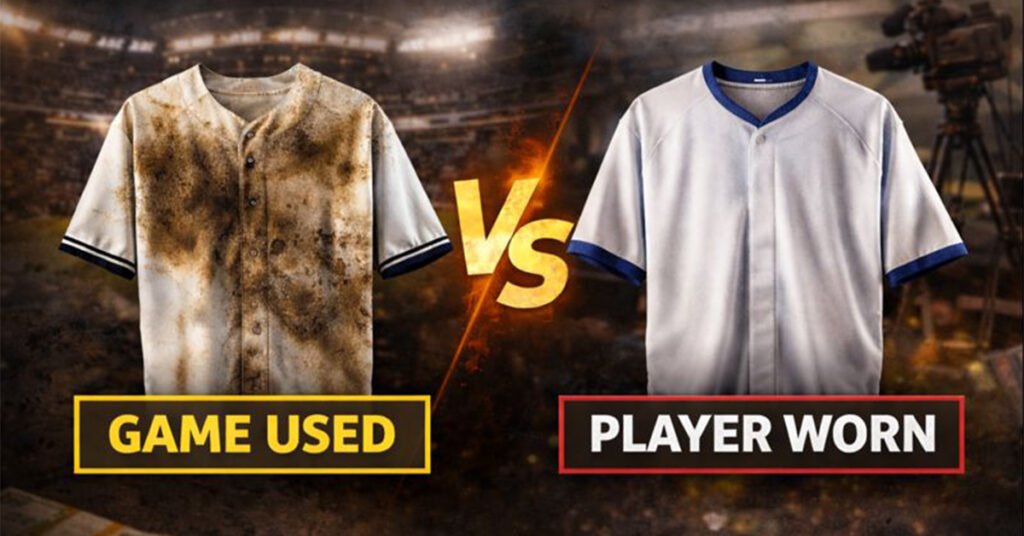
Few terms cause more confusion in sports memorabilia than game used and player worn.
They appear on jersey tags, auction listings and authentication letters, yet many collectors assume they mean roughly the same thing.
They do not.
The difference between these two labels can be the difference between a museum level artifact and a souvenir that simply touched an athlete.
Understanding that difference is critical if you care about value, authenticity or long term collectibility.
What Game Used Actually Means
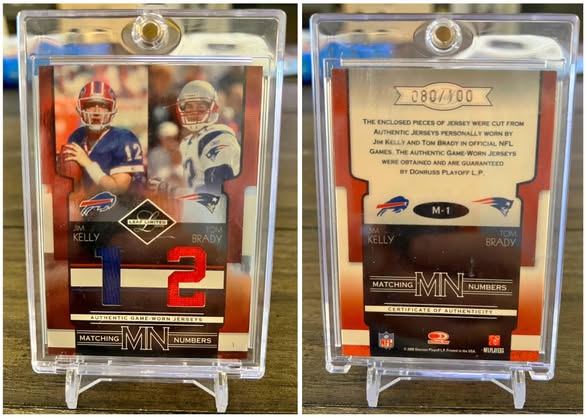
Game used means the item was worn by the athlete during an official game. Not during warmups. Not during practice. Not during a photo shoot.
During a real, sanctioned game that counted in the record books.
For a piece of memorabilia to be legitimately labeled game used, it must be tied to a specific event. That could be a regular season game, a playoff game or even a preseason contest if properly documented.
The best examples are photo matched, meaning the exact item can be visually confirmed in game footage or photographs.
This is where most of the value comes from. A jersey worn while a player scored a goal or hit a home run carries historical significance that cannot be recreated.
What Player Worn Really Means
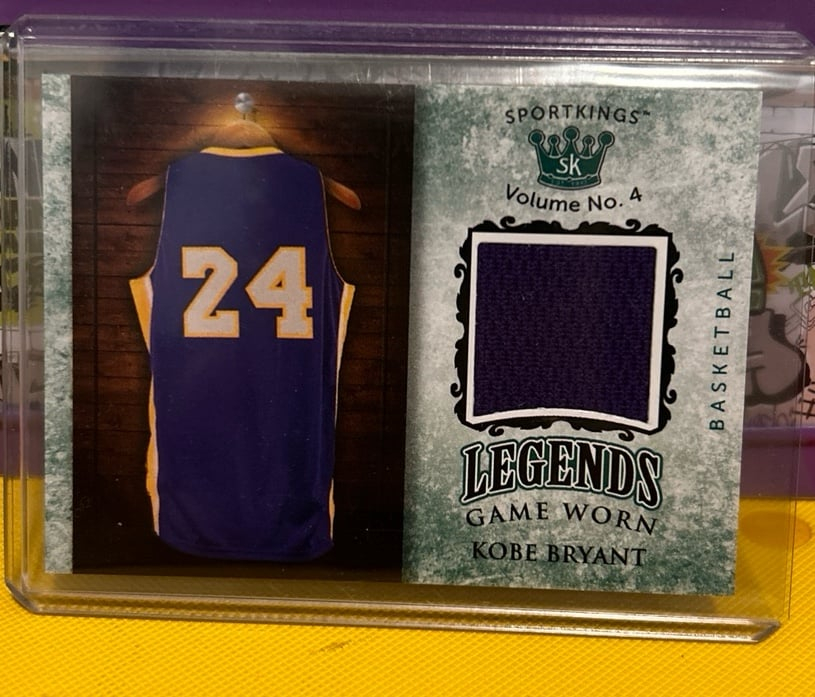
Player worn means the athlete wore the item at some point, but not necessarily during a game. That could include media days, signing sessions, warmups, photo shoots or promotional events.
In many cases, the item was worn for a matter of minutes simply to satisfy a contractual or marketing requirement.
These items are still technically worn by the athlete, but they have no connection to any on field or on court moment. There is no story attached to them beyond the fact that the player put it on.
Because of that, player worn memorabilia is far more common and far less valuable.
Why the Labels Exist
The two labels exist for a reason. Game used items are rare. A player only wears a limited number of jerseys or pieces of equipment in actual games each season.
Player worn items can be produced in much larger quantities because they do not require real competition to generate them.
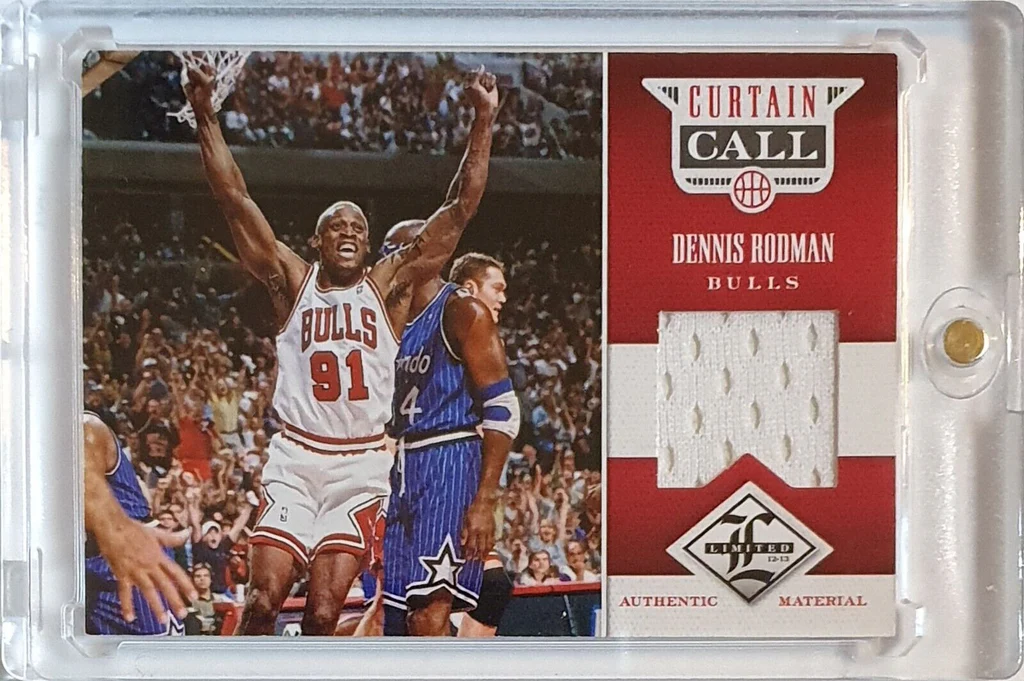
Manufacturers and licensing partners often use player worn gear to supply patch cards, relics and memorabilia inserts because it is easier to produce and still sounds impressive to casual buyers.
This is where confusion starts.
What Collectors Often Get Wrong
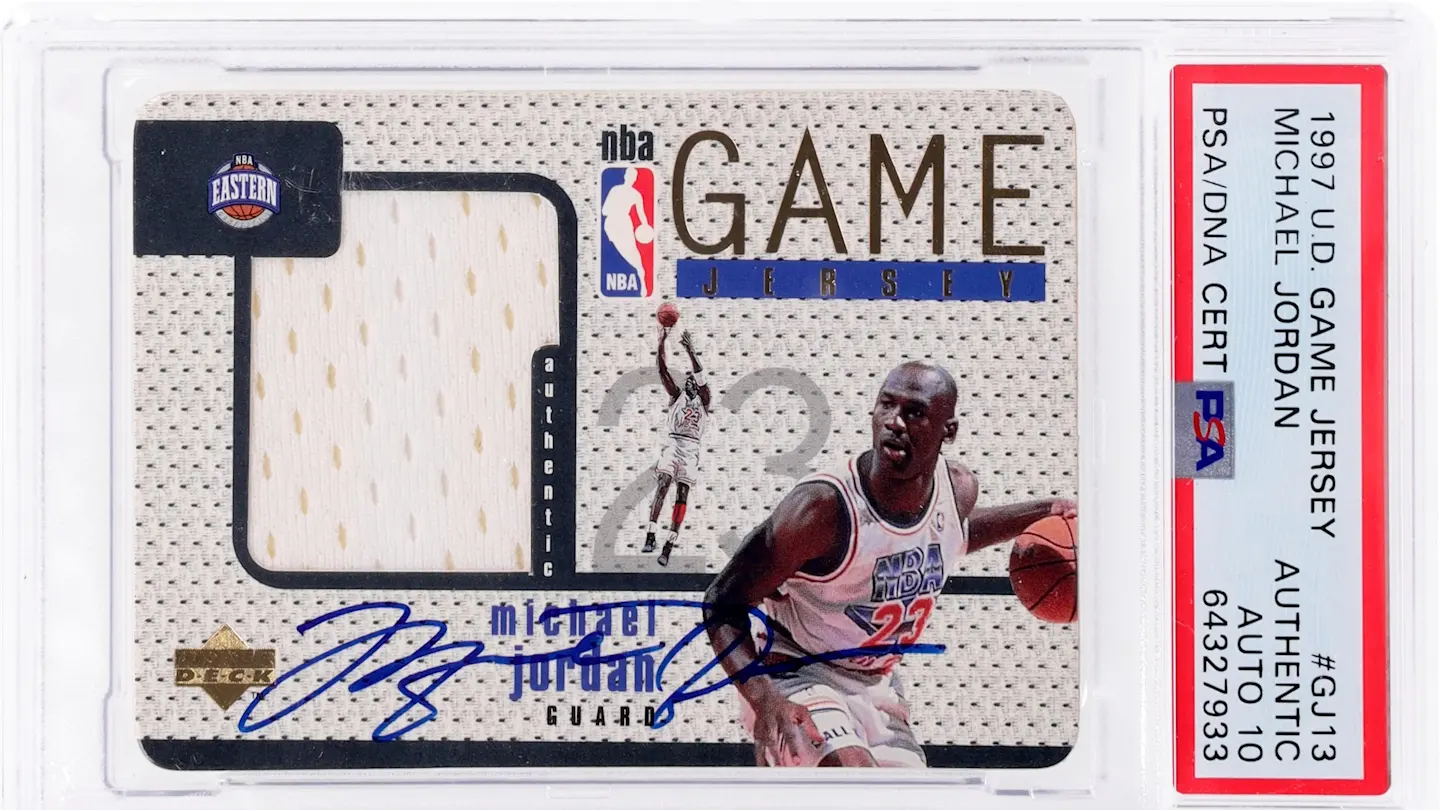
Many collectors assume player worn means game used unless stated otherwise. In reality, the opposite is safer. If it does not explicitly say game used or game worn, it probably was not used in a game.
Another common mistake is assuming all worn items are equally meaningful.
A jersey worn for ten seconds during a photoshoot does not carry the same weight as one worn in a championship game, even though both technically touched the athlete.
There is also confusion around terms like event worn and match worn, which sit somewhere between the two. Event worn often refers to appearances, ceremonies or special events rather than competitive play.
How This Affects Value
Game used memorabilia almost always commands a premium. Collectors are paying for connection to history, not just physical contact with an athlete.
Player worn items, while still collectible, behave more like souvenirs. Their prices are driven by the player’s popularity rather than the item’s story. Over time, this usually leads to weaker performance compared to true game used pieces.
The market reflects this difference clearly. High end auctions focus almost exclusively on game used, photo matched and historically significant items.
Why Transparency Matters
Because the wording matters so much, honest labeling is essential. Collectors should always read authentication details carefully and avoid assuming anything based on vague descriptions.
If the listing does not clearly state game used, treat it as player worn until proven otherwise.
Game used and player worn are not interchangeable terms. One represents a moment in sports history. The other represents contact without context.
Collectors who understand this difference protect themselves from overpaying and build collections with far greater long term value.
In memorabilia, the story behind the item matters just as much as the item itself.