Getting into trading cards can be fun and sometimes surprisingly profitable (lets hope).
But how do you actually figure out what your cards are worth?
This guide covers the steps to run through figuring out what your cards are worth.
1. Check the Card’s Condition
The first thing collectors look at is condition.
Is your card brand new, or does it have bends, scratches, or fading? Cards in “mint” condition (basically perfect) are always worth more.
-
Mint: No damage, looks brand new.
-
Near Mint: Very minor imperfections.
-
Played: Noticeable wear and tear.
-
Damaged: Major creases, stains, or rips.
2. Identify the Card
Look for these details:
-
Year of release
-
Series/set name
-
Card number
-
Special features (holographic, limited edition, misprint)
The more unique or rare the card, the higher its potential value.
3. Check Recent Sales Online
Don’t just look at “for sale” prices—see what cards have actually sold for.
The best places to check are:
-
eBay “Sold Listings”
-
Card-specific pricing guides like 130point.com
-
Hobby forums
This shows what real buyers are willing to pay, not just what sellers hope to get.
4. See If It’s Graded
A card that’s been professionally graded will often sell for more.
Grading companies assess condition and authenticity, then seal the card in a protective case with a grade number.
Not sure if it’s worth grading?
Check recent sales for ungraded vs. graded versions of the same card.
Read this guide if you’re considering grading.
5. Watch for Trends
Some cards spike in value after big events—a championship, an anniversary, or a movie release.
Prices can change quickly, so keep an eye on collector news and forums for trends.
Remember: Even if your card isn’t worth much now, the market can change. Sometimes holding onto a card pays off later.
Spotting Fake Trading Cards
The trading card world is amazing—but with rising prices, fakes are a growing problem.
Here’s how anyone can check if a card is the real deal.
1. Examine the Print Quality
Real cards have sharp images and clear text. Look out for:
-
Blurry logos or artwork
-
Off-center borders
-
Faded colors
Fake cards often have cheap printing or strange textures.
2. Feel the Card
Original trading cards usually have a certain weight and texture.
If a card feels unusually flimsy, too glossy, or oddly thick, that’s a red flag.
Try comparing it side-by-side with a genuine card from the same set if possible.
3. Check the Back
Fakes often get the card front close to correct, but mess up the back. Look for:
-
Wrong colors or fonts
-
Spelling mistakes
-
Crooked logos
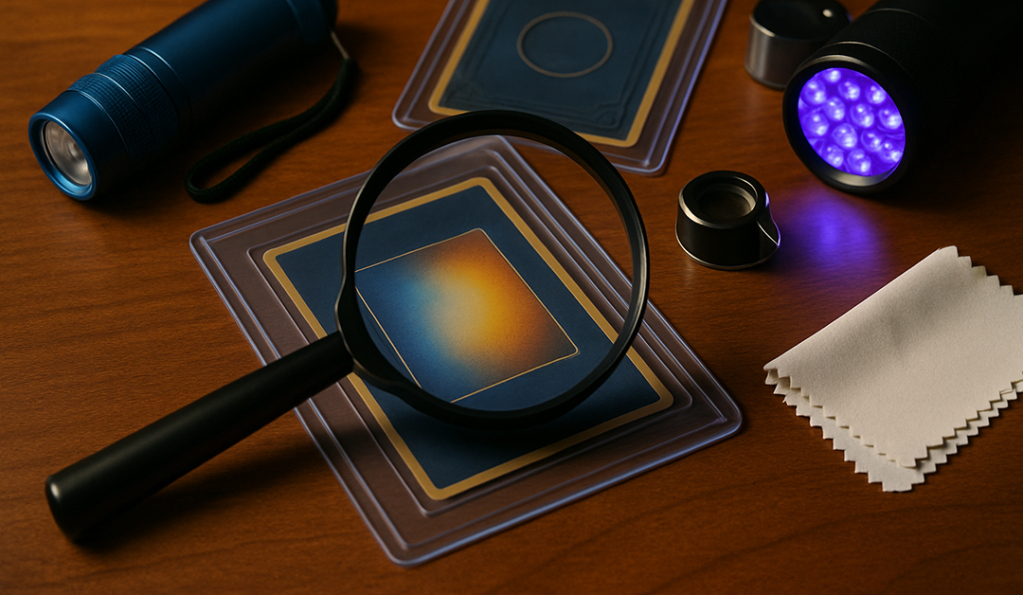
4. Use a Flashlight or Blacklight
Some real cards have hidden watermarks or fibers visible under UV light.
Shine a flashlight through the card—if the light passes through too easily, it might be fake.
5. Ask the Community
If you’re ever unsure, post pictures on collector forums or groups. The community can help spot fakes quickly.
Bottom Line: If something feels off, trust your gut. There’s no shame in double-checking, and it could save you money and disappointment.