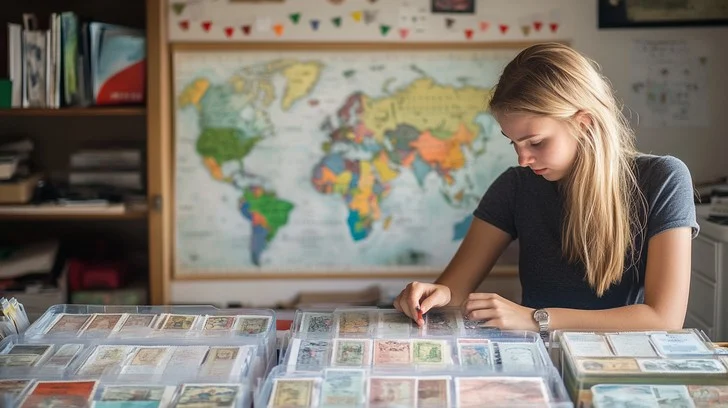
Collecting has captivated people for centuries, whether it’s stamps, sports cards, coins, or comic books.
But what is it that inspires us to seek out, categorise, and cherish these items, sometimes spending years—and plenty of money—building a collection?
The psychology behind collecting runs deep, tapping into our desires for identity, security, nostalgia, and self-expression.
Whether you’re a seasoned collector or simply intrigued, exploring the motivations and rewards behind collecting reveals a fresh way of looking at this fascinating pastime.
The Origins of Collecting
Humans have been collecting objects for centuries, but the reasons have evolved over time. Early forms of collecting were often tied to survival, with people gathering resources such as food and tools. Over time, collecting shifted to more symbolic items, often as a means of displaying status or cultural pride.
Monarchs and wealthy individuals curated elaborate cabinets of curiosities—early museums that displayed exotic artifacts, rare minerals, and taxidermy animals to showcase their wealth and worldliness.
Today, collecting is more democratic, accessible to people of all ages and economic backgrounds. Modern collectors may focus on rare books, vinyl records, figurines, or antique furniture, reflecting a personal interest rather than a show of status.
Despite these shifts, many of the motivations behind collecting remain surprisingly similar to those of our ancestors. By understanding these deeper drives, we gain insight into what makes the hobby so timeless and universally appealing.
1. Collecting as a Form of Identity
One of the most powerful motivations behind collecting is the way it shapes and expresses our identity. Collecting allows people to build a tangible representation of who they are, showcasing interests, values, and personal history.
A sports memorabilia collector may view their collection as a testament to their loyalty to a team or player, while someone who collects vintage fashion pieces may be curating a visual history of their aesthetic preferences and cultural interests.
The choice of what to collect also often reveals unique aspects of a person’s character. For example, collectors of comic books may be drawn to nostalgia or to themes of heroism, while collectors of vintage cameras might value craftsmanship and historical significance.
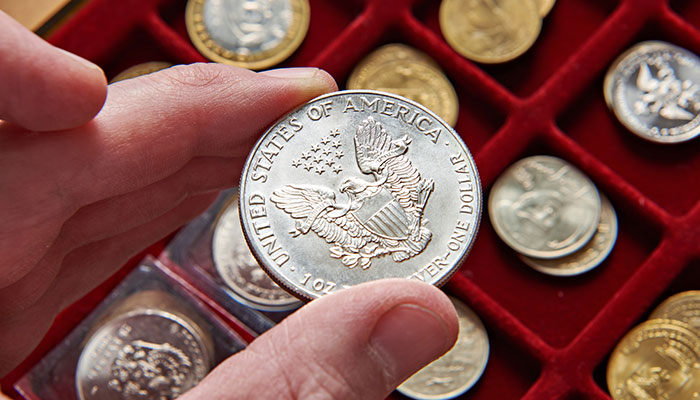
Through their collections, people build a narrative about themselves, connecting their own story to the wider world.
This concept of collecting as self-expression is closely linked to what psychologists call “identity anchoring.” Our collections provide us with anchors—objects that remind us of who we are, what we value, and what has shaped us. When we surround ourselves with these anchors, we reinforce our sense of self, especially during times of change or uncertainty.
Collecting, in this way, is not only a hobby but a means of self-affirmation.
2. The Thrill of the Hunt
Collecting is often as much about the process of acquiring items as it is about owning them. For many collectors, the thrill of the hunt—searching, discovering, and finally acquiring a coveted item—is a driving force behind the hobby. This pursuit of rare or desirable items triggers a release of dopamine, the brain’s “reward” chemical, providing a feeling of pleasure and satisfaction.
Dopamine plays a significant role in reinforcing behaviours that feel rewarding, which can explain why collectors continue to hunt for new items even after amassing an impressive collection.
The excitement of adding a new piece keeps the cycle of collecting alive, with dopamine rewards encouraging collectors to keep looking for their next great find.
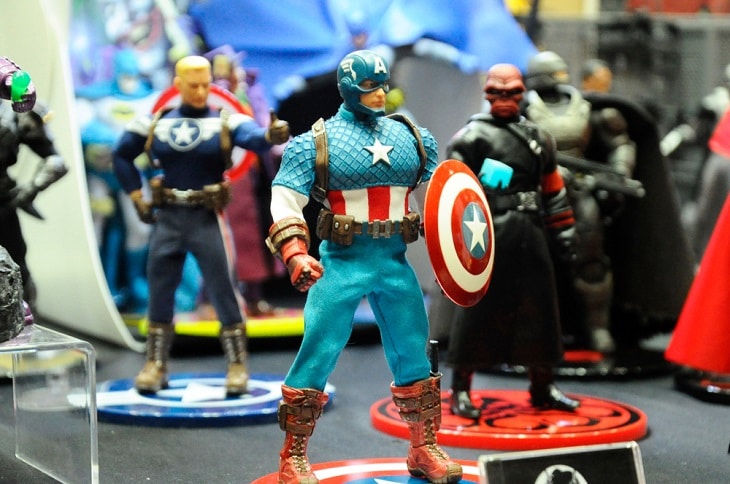
Interestingly, research shows that anticipation of a reward often triggers more dopamine release than the actual reward itself. This explains why some collectors feel their greatest excitement not when they finally acquire a piece, but during the search leading up to it.
The dopamine-driven cycle of anticipation and reward is part of what makes collecting such a compelling and sometimes addictive activity.
3. Nostalgia and Emotional Connection
For many people, collecting is about nostalgia—reconnecting with fond memories or moments from the past. Whether it’s childhood toys, vintage postcards, or records from a beloved music era, collecting allows us to revisit and relive moments that hold emotional significance.
Psychologists suggest that nostalgia serves as a comforting mechanism, helping us feel connected to our past in times of change or uncertainty. Collecting offers a tangible way to experience this nostalgia. Each item in a collection can act as a time capsule, representing memories, places, and emotions tied to a particular period.
In this way, a collection becomes a personal archive, a story told through objects that capture and preserve meaningful aspects of a collector’s life.

This emotional connection often deepens over time, making the act of collecting more than a simple hobby. For some, it becomes a ritual of remembrance and an affirmation of what matters most in their lives. Through the nostalgic lens of collecting, even ordinary items can take on extraordinary meaning, becoming symbols of cherished times or people.
4. The Desire for Control and Order
Collecting is a structured hobby that appeals to the human need for control and organisation. For many collectors, the process of cataloguing, arranging, and preserving their items is as enjoyable as the hunt for new acquisitions.
The structure and order of a well-curated collection provide a sense of control that can be comforting, especially in a world that often feels chaotic or unpredictable.
The act of organising a collection also creates a sense of accomplishment. Collectors can take pride in their detailed knowledge of their items, whether that means identifying the specific era of a vintage toy or the artist behind a rare print.
The process of learning and systematising a collection provides cognitive satisfaction, offering mental stimulation and reinforcing a sense of expertise.
This desire for control can be particularly pronounced in times of personal upheaval. When other aspects of life feel out of control, the orderliness of a collection provides a stable anchor. Psychologists note that activities involving categorisation and order, like collecting, can help manage stress and anxiety, making this aspect of collecting not only enjoyable but therapeutic.
5. The Social Side of Collecting
Though collecting is often a solitary pursuit, it also provides opportunities for social interaction. Many collectors enjoy sharing their passion with like-minded individuals, participating in online forums, local collector clubs, or trade shows.
This sense of community and shared interest can be deeply rewarding, creating friendships and networks that span geographic and cultural boundaries.
For collectors, belonging to a community offers validation and a sense of purpose. Sharing knowledge, trading items, and discussing favourite pieces reinforces the collector’s passion, while social gatherings and conventions provide a space where their expertise and enthusiasm are valued and understood.
These connections help collectors feel part of something larger than themselves, adding an extra layer of meaning to their hobby.

Studies have shown that socialising around a shared hobby can boost mental well-being, with participants reporting increased happiness and reduced feelings of isolation. For those who have found a collecting community, the hobby becomes more than a personal activity; it becomes a source of connection and camaraderie.
6. The Legacy of a Collection
For many collectors, their collection becomes a legacy—something they intend to pass down to future generations. This desire to preserve and share a carefully curated collection reflects the psychological need for generativity, or the wish to leave something meaningful behind.
By building a collection over years or even decades, collectors create a personal history, a timeline of tastes, values, and experiences. Some collectors document their pieces meticulously, noting the date of acquisition, the item’s history, or personal anecdotes connected to each piece.
When passed down, these collections offer a window into the collector’s life, providing family members with a tangible legacy that holds sentimental value.
For many, the thought of their collection becoming part of someone else’s story provides a sense of continuity. The objects they cherished and preserved will continue to be valued and appreciated by others, reinforcing the sense that their hobby was not only a source of personal joy but a meaningful contribution to those they care about.

Collecting is far more than a hobby; it’s a complex and multifaceted activity that taps into fundamental aspects of human psychology. Whether motivated by nostalgia, the thrill of the hunt, the desire for order, or the need for community, collectors find in their collections a rich and rewarding experience that reflects who they are and what they value.
For some, it’s a journey of self-expression, for others, a way to preserve the past, and for many, a source of enduring joy and connection.
As collecting continues to evolve, expanding into digital and virtual spaces, its core motivations remain the same.
In the end, the value of a collection lies not only in the items themselves but in the meaning and purpose they bring to the collector’s life.
Happy collecting!