
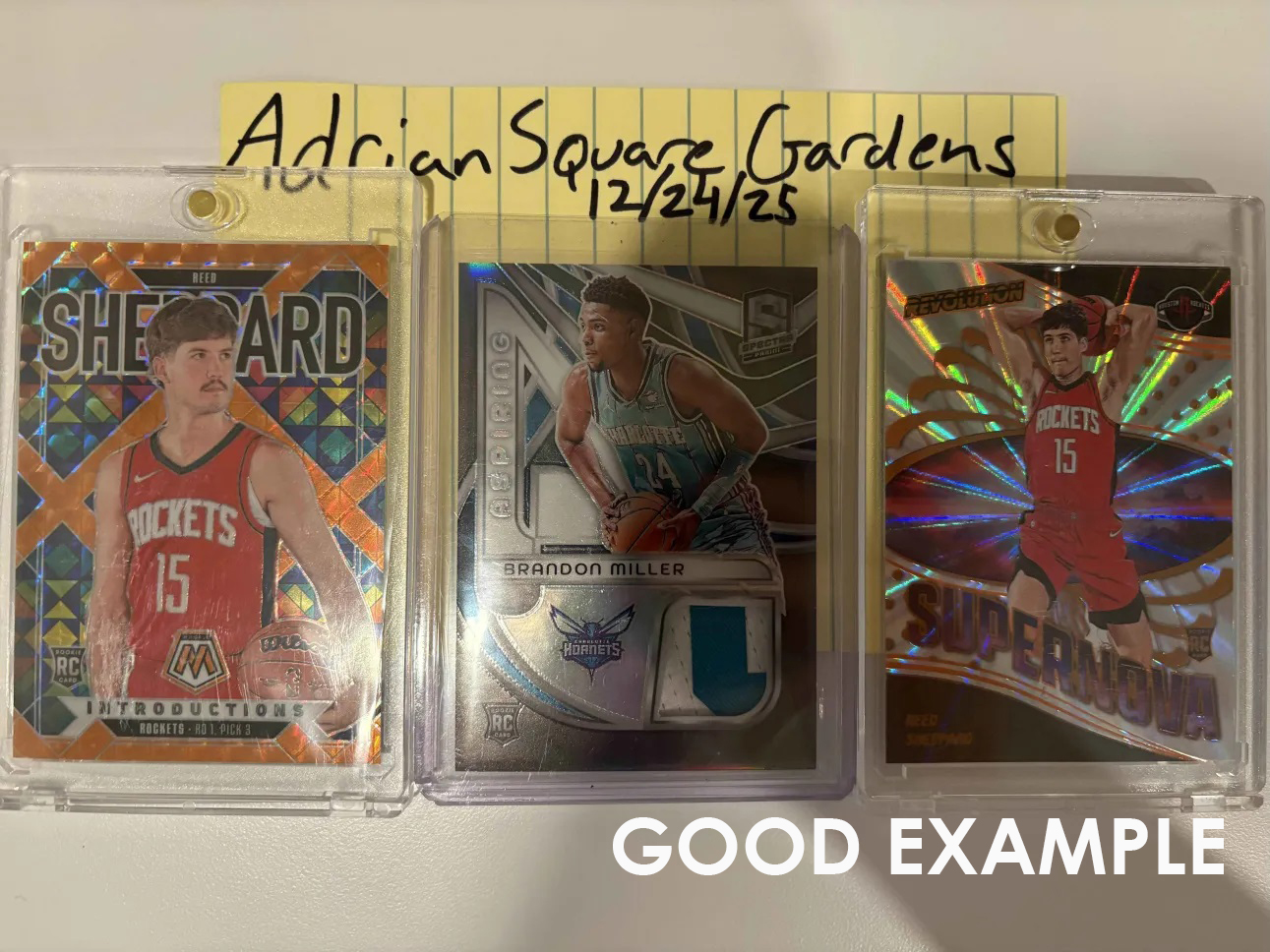
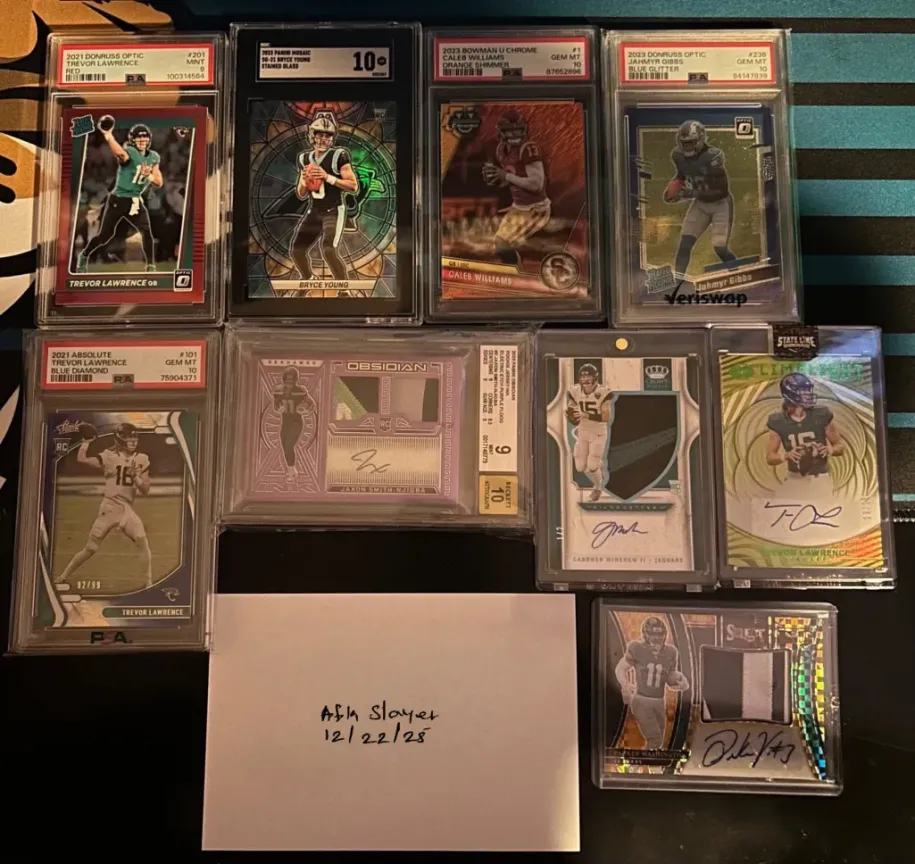
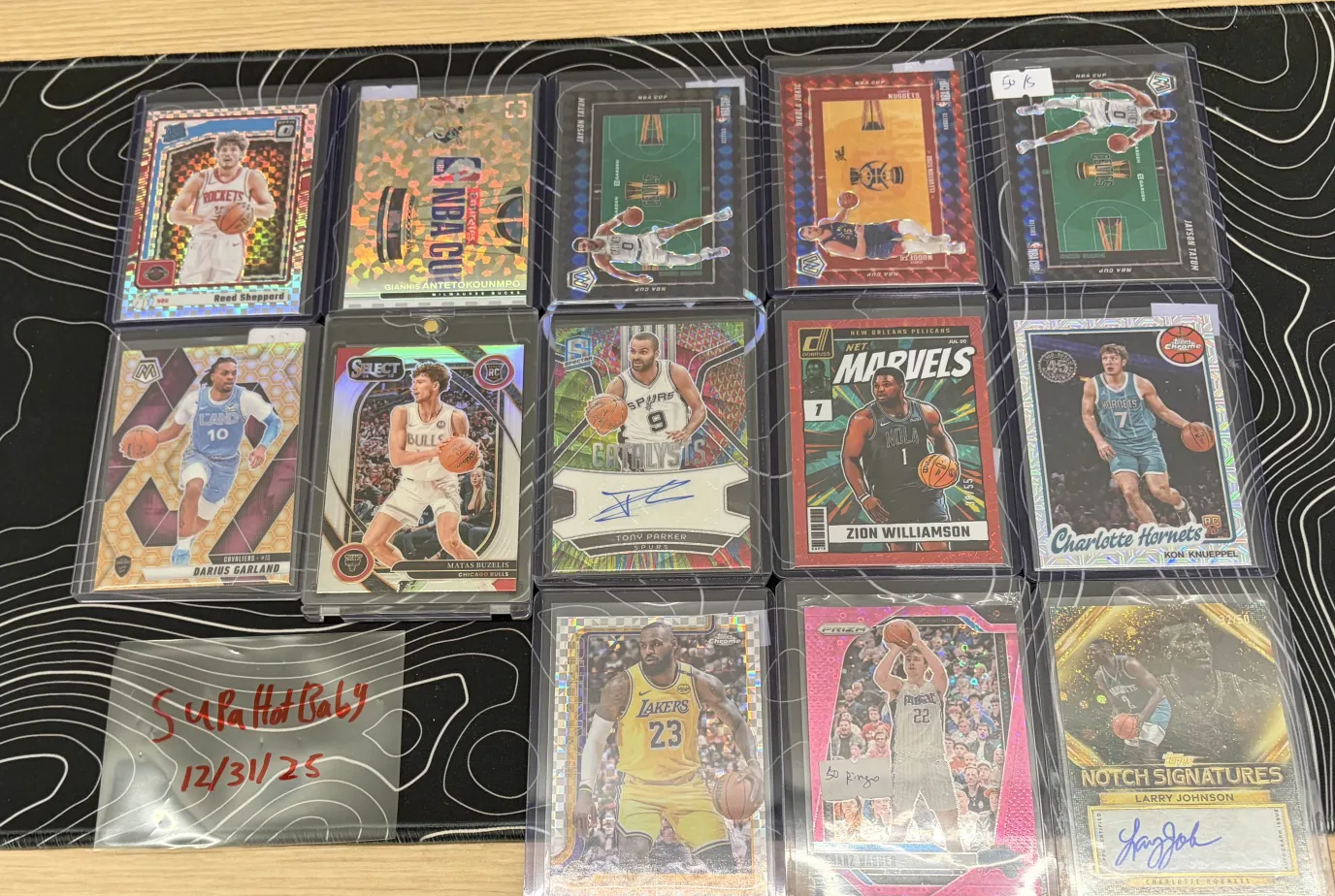
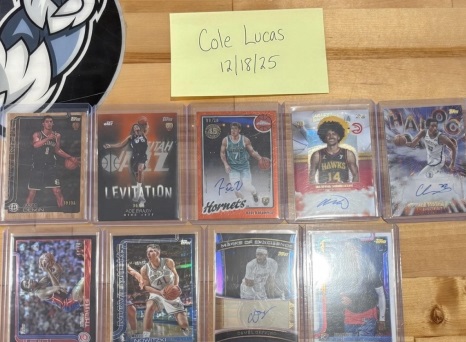
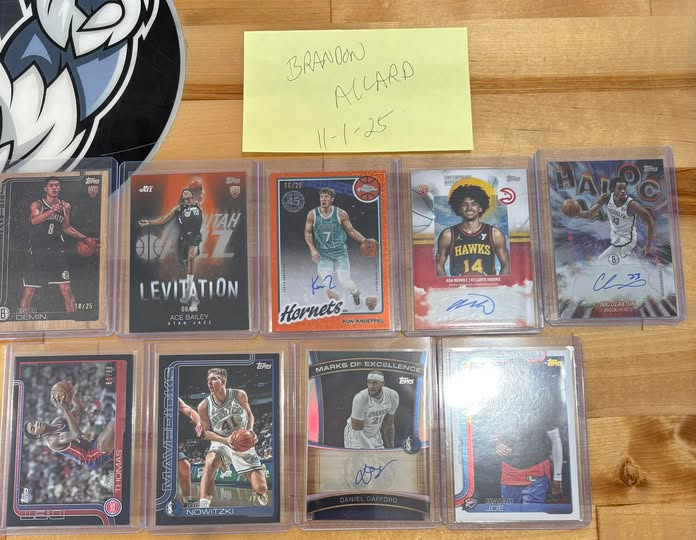
Coining is the process of adding an item next to trading cards or collectables, like a coin and a piece of paper with a username and date on it next to items for sale. These days it’s usually just a username (that matches reddit or discord) and the date.
This was to prove the seller actually has the item and it’s a legitimate sale.
It used to be a simple trust signal. As the value of trading cards and collectibles has grown scammers have started abusing that trust.
Now people are using AI to create fake coining photos. They generate realistic looking images of cards with a handwritten username and date beside them or even cards themselves, including graded cards.
These images are then used to pretend ownership of cards that do not exist or are not actually in the seller’s possession.
Because of this buyers need to be more careful than ever.
Here’s a guide of how to stay safe, confirm you’re dealing with a legit seller and make sure you don’t get scammed.
1. Check the image file itself
One of the easiest tells is the filename of the image that gets sent to you.
Many AI tools export files with names that look auto generated or include references to the software that created them.
Filenames full of random characters or numbers that do not match how a normal phone camera saves photos should raise suspicion.
To do this, save the file locally to your PC without making changes.
Some use the software name in filename titles. For example: Photoroom_20251220_101127_PM.png or Picsart_25-12-28_16-36-49-204.
This isn’t a 100% confirmation that it’s AI generated, but they have used a tool at some point to edit and export the file. This might be to simply crop the image, but it could also mean it’s a fake.
You can also use FotoForensics to check if the image has been altered.
This can help uncover changed text or altered sections of an image.
2. Use reverse image search
Take the coining photo and run it through Google reverse image search.
If that same image or a very similar version shows up elsewhere online then the seller likely reused or stole it. A real coining photo should be unique to that seller and that moment.
You may not always be able to find the original, as scammers are editing and cropping images in an attempt to make them unique.
You may have to search Facebook, reddit and other community platforms to locate the original seller and coined image.
3. Look closely at the handwriting and shadows
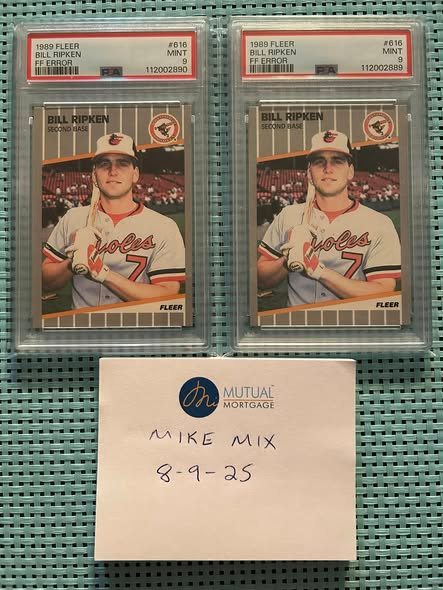
AI often gets small details wrong. Check whether the paper looks like it is actually on the same surface as the card.
Look for shadows reflections and the way the pen ink sits on the paper. If the writing looks too clean floats above the paper or blends into the background it may be fake.
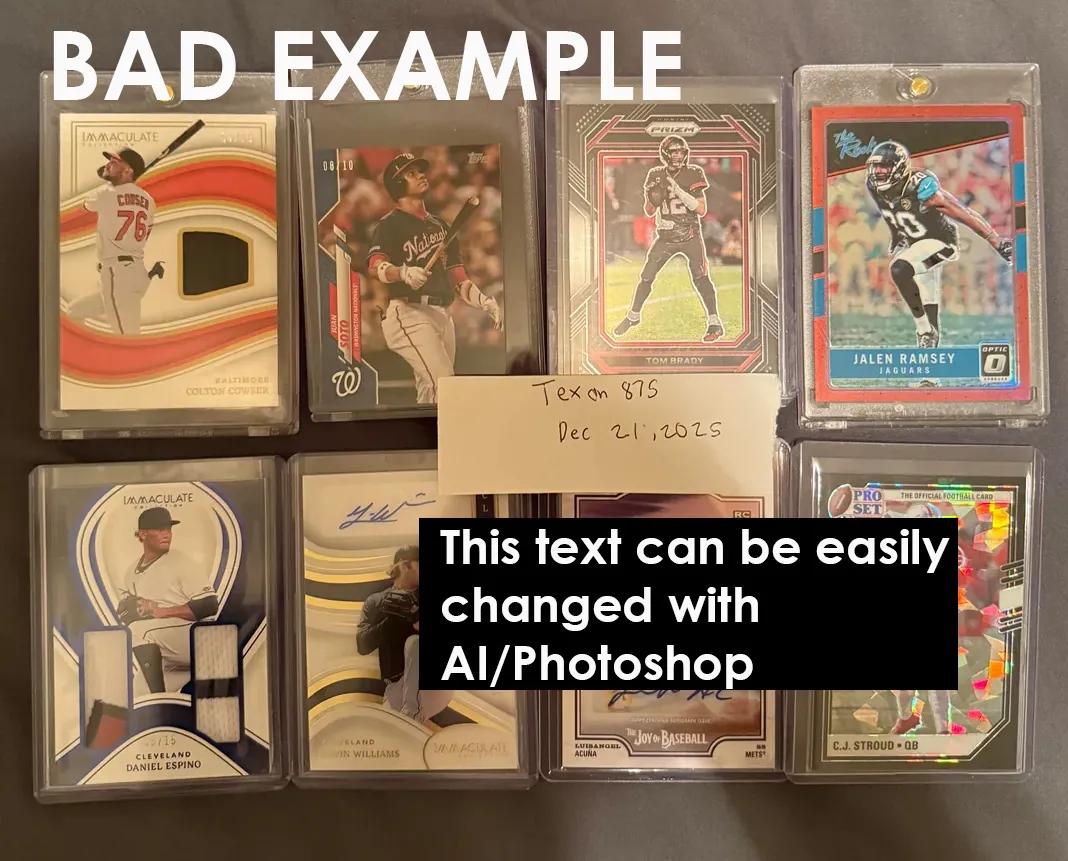
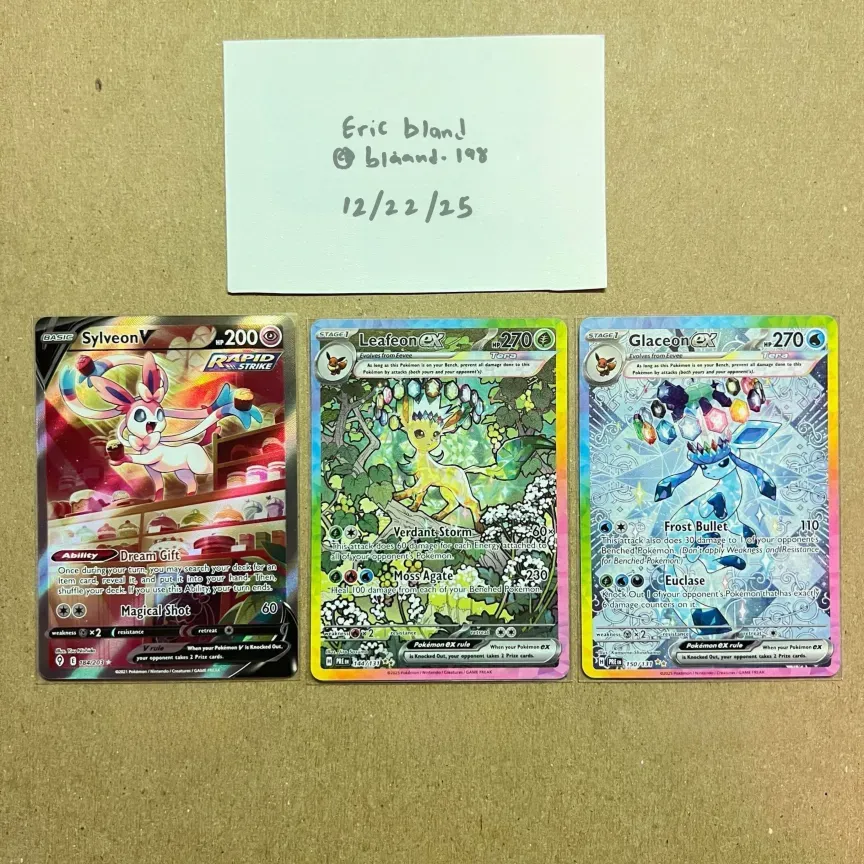
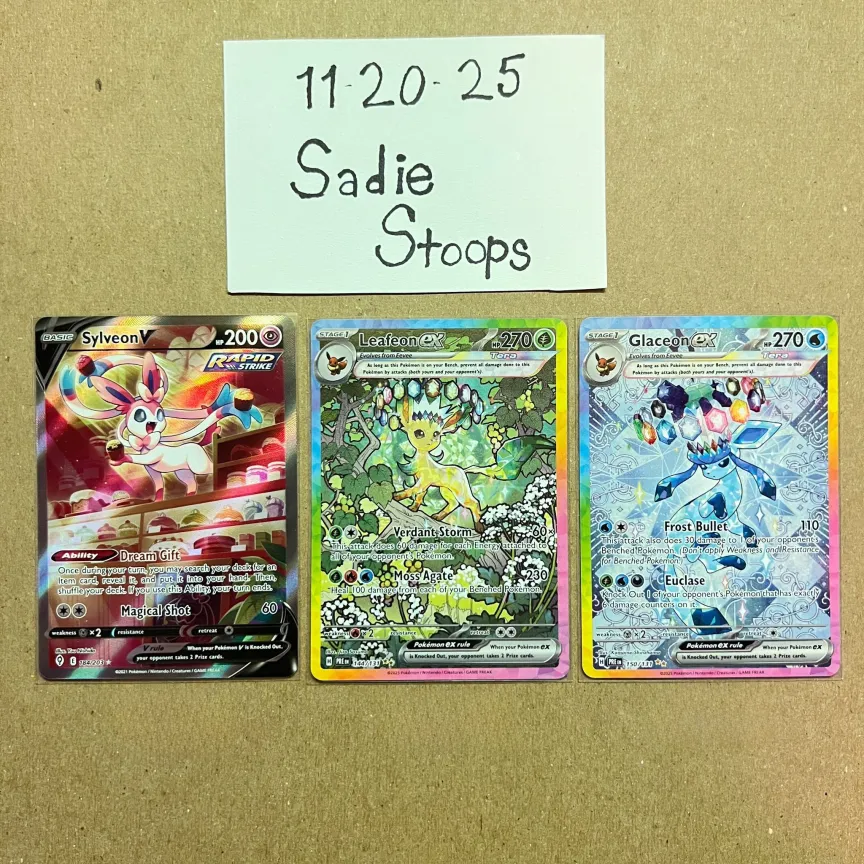
If some letters look exactly the same as other coined images from a seller, it’s likely they’re being lazy and using the same tools across all their fake pics.
Check pixels next to writing to look for any obvious editing.
Make sure it’s real writing and not digitally typed.
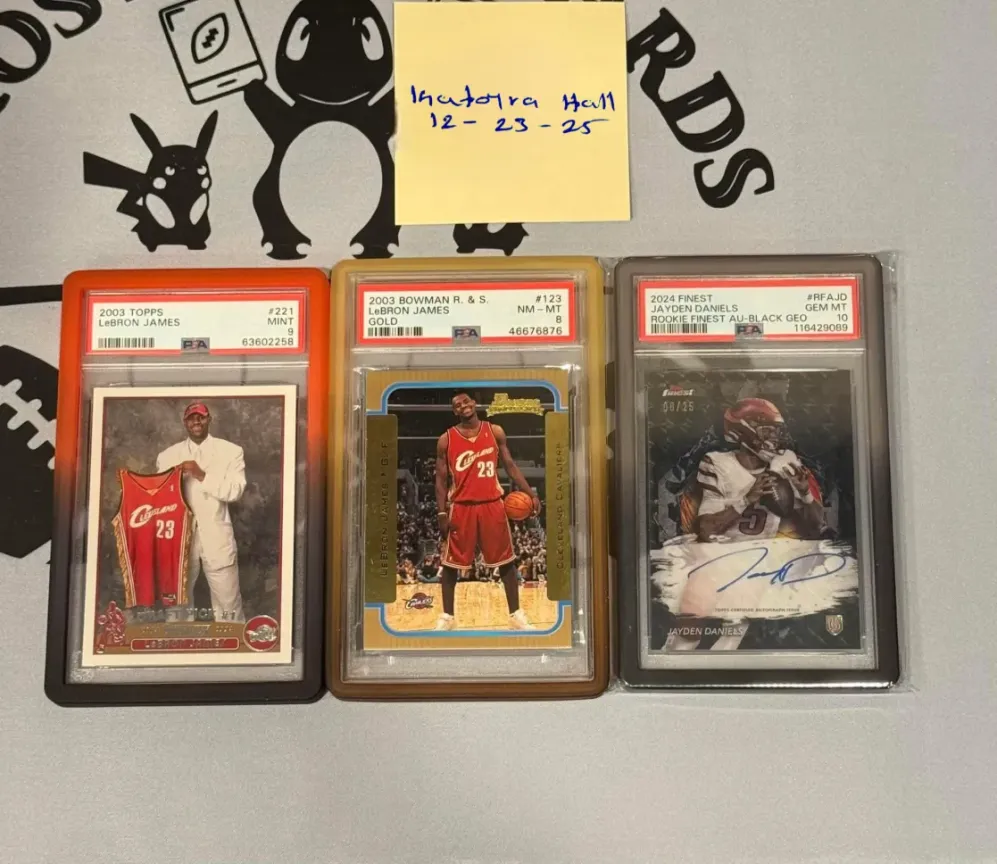
These are both edited fakes by a scammer using the same AI generated font on different usernames.
4. Ask for a new custom coin
A real seller can easily make a new coin.
Ask them to write a different phrase, your username or today’s date and take another photo.
Ask them to hold a number of fingers up next to the image.
Ask for a video of the item.
Ask for a photo on different angles.
Think of a unique and difficult way to prove ownership that AI can’t fake.
Scammers using AI or stolen images usually cannot provide a fresh custom shot.
5. Check the account behind the coin
Look at the account that sent you the image.
Check the date joined, posting history and bio.
Check what other servers or reddit subs they’re on, and if they have active moderation and scam watchers. Those that have no moderation are usually rife with scammers.
Brand new accounts with no history are far riskier than established collectors with real interactions and past sales.
Do they have any other sales? Have they been vouched by other buyers?
Check if they have social media accounts connected to their Discord or Reddit accounts.
Make sure they can PROVE they own them, since anyone can link to anything and lie about it.
6. Compare with past photos
If the seller has posted other coins or card photos compare them.
Differences in lighting camera quality or backgrounds can show whether images were taken by the same person or pulled from different sources.
Do they use the same desk surface or multiple different ones?
Is the lighting and camera quality completely different or consistent?
7. Do they sound like a legit seller
Talk to them. Send a DM and ask about the item.
Are they unhinged? Are they pushy? Do they sound like they a normal person trying to sell something?
A legit seller will simply respond and discuss the item and options.
8. What payment methods do they use
Do they accept PayPal G&S? Goods & Services have a refund option, whereas F&F does not.
If they only accept other services like Venmo or crypto it’s quite possibly a scam.
As a buyer, you should have all the safety options available to you, including the ability to request a refund.
9. Does their sale and price make sense
Are they selling highly sought after cards for way under value or comped prices?
Scammers will make a deal look too good to be true to quickly suck people in.
Look up the price of cards, confirm they’re selling at an expected amount.
If they aren’t, ask why. If their answer is about a deal too good to be true with a limited time, they’re probably trying to scam a quick buck.
10. Review any reports for graded cards
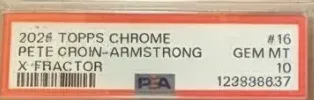
Scammers can use AI to create entire graded cards.
Look up the PSA Pop Report to see if the number matches the card.
Even if it does, they may have just used AI to generate it from a legit card.
Look up the number to see if it’s been posted before somewhere else online.
11. Closely review text and image quality
If it’s raw, compare the card with other versions of the card.
Check small details like on card text, hands/fingers, alignment, colors etc.
AI can generate cards but it’s still fairly shit at doing it properly.
If it’s garbled then it’s fake.
12. Trust your gut
If the seller pressures you to act fast refuses to provide new photos or gives excuses about why they cannot redo the coin those are major warning signs.
Coining still works but only if people know how to verify it.
As AI images get better the only real defense is slowing down checking the details and asking for proof that only a real owner could provide.
Stay safe.
p.s. GET FUCKED SCAMMERS.